
 ★ 8.4
WatchMoviesAll
A crew of eleven robbing three Las Vegas casinos in one night, a team of heroes gathered to save the world, five students in a Saturday detention, a family of suspects around the body of a famous crime writer. This guide gathers 156 ensemble films, where the whole cast shares the screen, on twelve shelves: crews and teams, with the heist crews, the superhero teams, the squads and platoons and the team sports; gatherings, with the holiday ensembles, the weddings, funerals and reunions, the family gatherings and the youth ensembles; and the big cast, with the crossing stories, the whodunits, the disaster ensembles and the comedy ensembles, with synopses, cast and where to watch.
Go To
Heist crewsHeist crews
See all (13)★ 8.4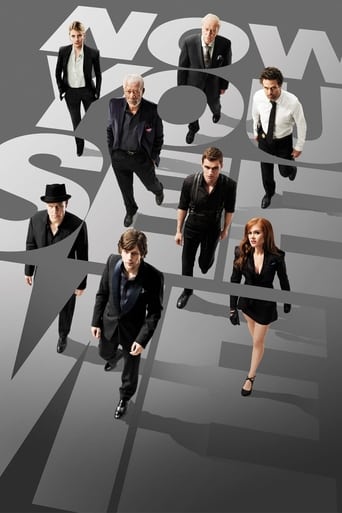 ★ 7.3
 ★ 8.1
 ★ 7.5
 ★ 8.2
 ★ 7.8
 ★ 6.9
 ★ 6.6
 ★ 8.1
 ★ 6.7
 ★ 6.8
 ★ 6.7
Superhero teamsSuperhero teams
See all (13)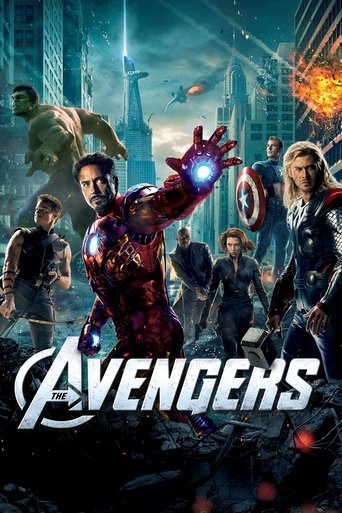 ★ 8.1
 ★ 8.2
 ★ 7.9
 ★ 8.2
 ★ 7.3
 ★ 7.5
 ★ 7.6
 ★ 7.7
 ★ 7.5
 ★ 7.0
 ★ 7.0
 ★ 8.1
Squads and platoonsSquads and platoons
See all (13)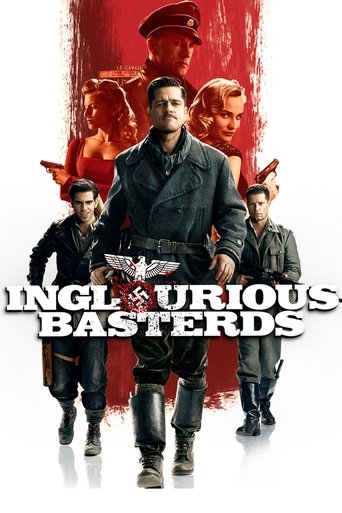 ★ 8.2
 ★ 7.5
 ★ 8.2
 ★ 7.5
 ★ 7.4
 ★ 7.7
 ★ 7.4
 ★ 7.9
 ★ 7.6
 ★ 7.6
 ★ 7.2
 ★ 7.3
Team sportsTeam sports
See all (13)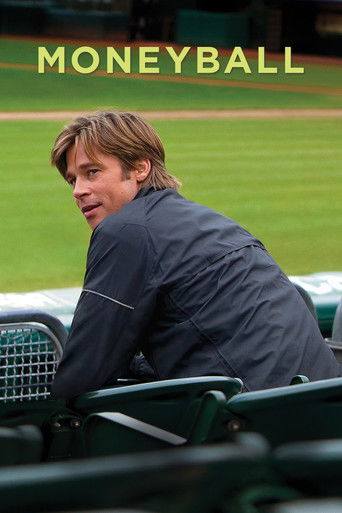 ★ 7.3
 ★ 6.4
 ★ 7.6
 ★ 7.7
 ★ 7.0
 ★ 6.8
 ★ 7.2
 ★ 7.6
 ★ 6.6
 ★ 6.9
 ★ 7.1
 ★ 6.9
Holiday ensemblesHoliday ensembles
See all (13)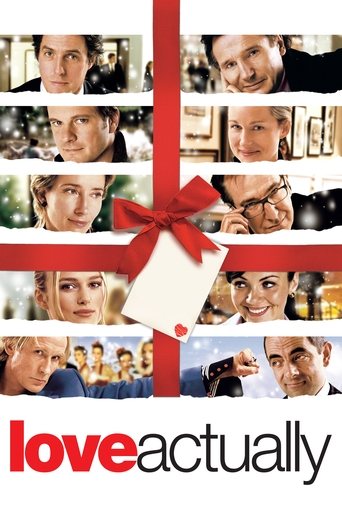 ★ 7.1
 ★ 7.1
 ★ 5.9
 ★ 7.2
 ★ 5.7
 ★ 5.9
 ★ 6.3
 ★ 6.1
 ★ 7.1
 ★ 6.0
 ★ 6.3
 ★ 6.0
Weddings, funerals and reunionsWeddings, funerals and reunions
See all (13)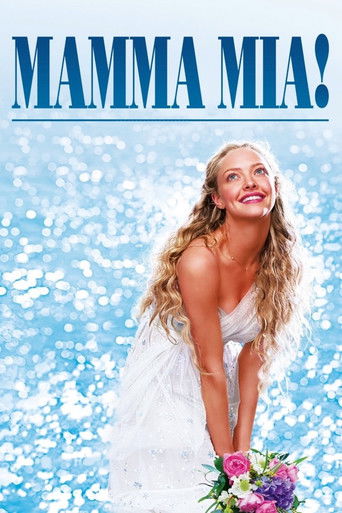 ★ 7.0
 ★ 6.4
 ★ 6.5
 ★ 6.5
 ★ 7.0
 ★ 7.1
 ★ 6.8
 ★ 6.5
 ★ 6.9
 ★ 6.3
 ★ 6.8
 ★ 7.2
Family gatheringsFamily gatherings
See all (13) ★ 7.7
 ★ 7.9
 ★ 7.5
 ★ 6.3
 ★ 7.8
 ★ 6.9
 ★ 7.7
 ★ 6.5
 ★ 8.2
 ★ 7.5
 ★ 7.8
 ★ 6.7
Youth ensemblesYouth ensembles
See all (13)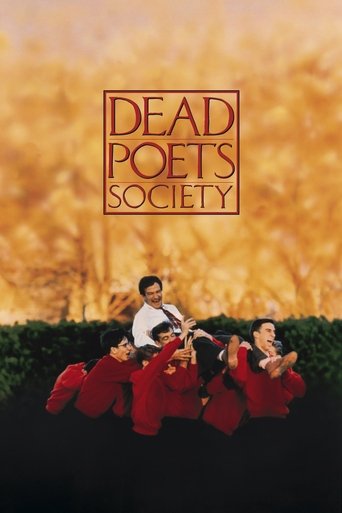 ★ 8.3
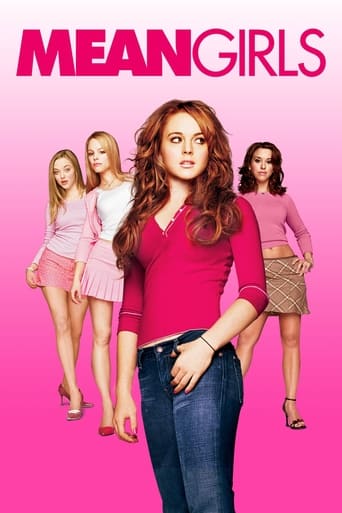 ★ 7.2
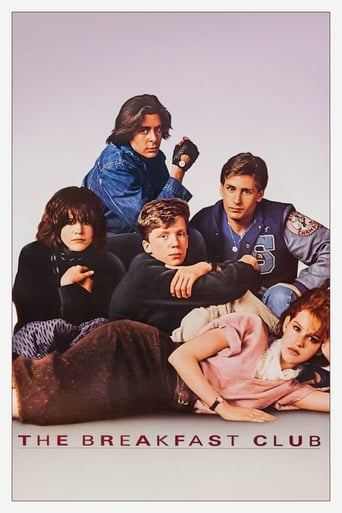 ★ 7.7
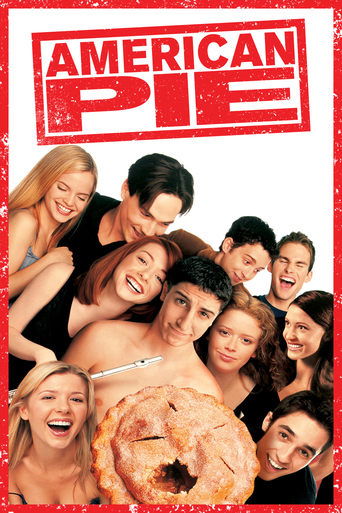 ★ 6.7
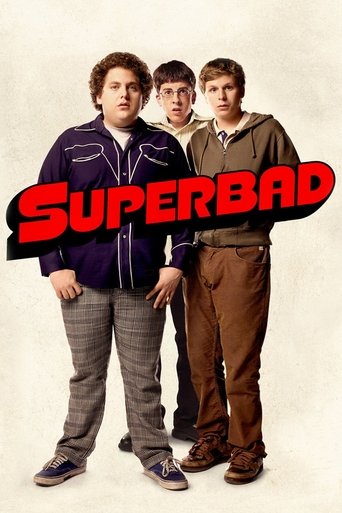 ★ 7.3
 ★ 7.8
 ★ 7.5
 ★ 7.0
 ★ 7.3
 ★ 7.1
 ★ 7.2
 ★ 6.8
Crossing storiesCrossing stories
See all (13)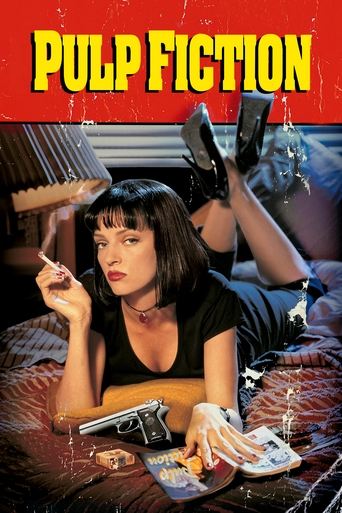 ★ 8.5
 ★ 6.9
 ★ 6.7
 ★ 7.2
 ★ 7.7
 ★ 7.2
 ★ 7.3
 ★ 7.6
 ★ 7.1
 ★ 6.4
 ★ 7.5
 ★ 7.0
WhodunitsWhodunits
See all (13)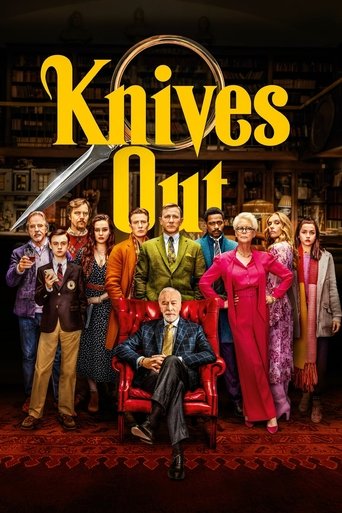 ★ 7.8
 ★ 6.7
 ★ 7.0
 ★ 6.4
 ★ 6.8
 ★ 7.2
 ★ 6.6
 ★ 7.2
 ★ 7.1
 ★ 6.3
 ★ 6.8
 ★ 6.9
Disaster ensemblesDisaster ensembles
See all (13) ★ 5.9
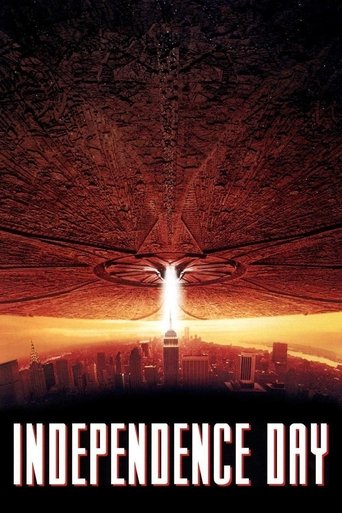 ★ 6.9
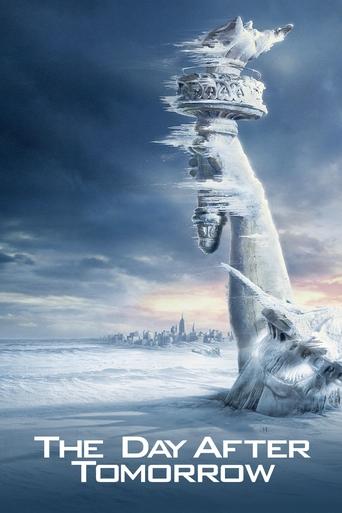 ★ 6.6
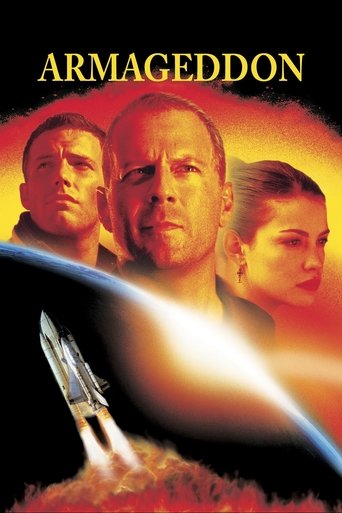 ★ 6.8
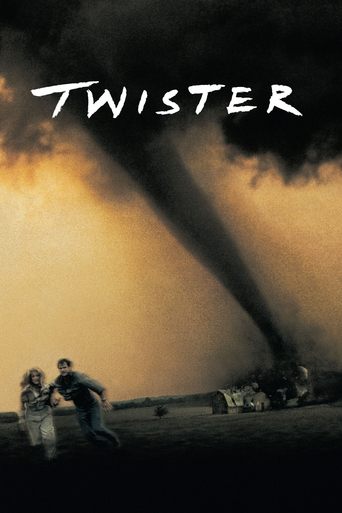 ★ 6.6
 ★ 6.3
 ★ 5.9
 ★ 6.3
 ★ 6.0
 ★ 7.0
 ★ 7.2
 ★ 6.5
Comedy ensemblesComedy ensembles
See all (13)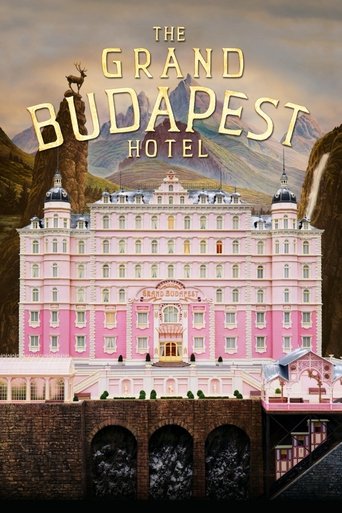 ★ 8.0
 ★ 7.5
 ★ 7.6
 ★ 6.7
 ★ 6.2
 ★ 7.8
 ★ 7.3
 ★ 6.7
 ★ 5.9
 ★ 6.9
 ★ 6.6
 ★ 7.0
The WatchMoviesAll guide
The WatchMoviesAll guide: the whole cast at once
The whole cast at once
WatchMoviesAll is an English guide to 156 ensemble films. In each of them the story belongs to a group rather than to a single hero: a crew planning a robbery, a team of heroes, a platoon, a baseball team, a family around a holiday table, a class in detention, a crowd of strangers whose lives cross on the same day, a house full of suspects, the passengers of a ship turned upside down or a company of comedians. The films sit on twelve shelves of thirteen, grouped in three families: crews and teams; gatherings; and the big cast. Every film has an English synopsis, the cast, the director, the genres and a Watch now button that opens it on JustWatch, which shows where it can be watched in your country.
The guide runs from 1953 to 2025, from Tokyo Story, the quiet family film of Yasujirō Ozu, to the third Benoit Blanc mystery of Rian Johnson. Its 156 films carry about 1,012,000 votes on TMDB, with an average rating of 7.1, and fifteen of them reach a rating of 8. The most voted film of the guide is Inception, with about 40,500 votes, just ahead of The Avengers, with about 40,100, and the best rated is Pulp Fiction, with an 8.5. The guide Start with WatchMoviesAll picks one film from each family for a first evening, and the guide What makes an ensemble sets out the rules.
The name of the site says it plainly: watch the movies, all of them, and in this guide all of the cast. An ensemble film shares its screen time among many faces. The pleasure is the crowd itself: the star of one scene becomes the extra of the next, the small part of the first reel turns out to hold the key to the last, and the film asks the viewer to follow a dozen people at once. Some ensembles gather the biggest stars of their day, as the war epics of the 1960s and the disaster films of the 1970s did; others gather unknown young actors who became stars afterwards, as The Outsiders and Dazed and Confused did; and some build a company of regular players who return from film to film, as the Ocean's films and the Marvel films do.
The three families
The first family, Crews and teams, gathers the films where a group works as one toward a single goal. The heist crews plan the perfect robbery, the superhero teams join forces to save the world, the squads and platoons fight together through the wars of the twentieth century, and the team sports shelf follows the clubs and schools that learn to win together. It is the most voted family of the guide, with about 568,000 votes, and the best rated, with an average of 7.42; the guide Crews and teams sums it up.
The second family, Gatherings, follows the crowds that come together for an occasion. The holiday ensembles fill a city or a house at Christmas or on a special day of the year, the shelf Weddings, funerals and reunions follows the guests of the great ceremonies, the family gatherings sit three generations at the same table, and the youth ensembles follow a group of friends or classmates through a single school year, a single summer or a single night. The guide Gatherings sums it up.
The third family, The big cast, gathers the films built on a large cast for its own sake. The crossing stories braid several plots that meet by chance, the whodunits lock a room full of suspects around a body, the disaster ensembles put a star in every corridor of a burning tower or a sinking ship, and the comedy ensembles let a whole troupe of comedians loose at once. The guide The big cast sums it up.
Three more lists cut across the shelves. Before 1980 gathers the seventeen oldest films, from Tokyo Story of 1953 to the two films of 1978, in order of release; Since 2015 gathers the thirty newest, from the Marvel films of 2015 to the mystery of 2025; and Rated 7.5 or more gathers the 48 films with a rating of 7.5 or more, best first.
How the films were chosen
Each film was picked by hand from TMDB. The test was simple: could the story be told from the point of view of a single character? When the answer was yes, the film stayed out, however large its cast; when the story truly belongs to a group, the film came in. A heist film with a lone thief stayed out, a heist film with a crew of eleven came in; a war film about one soldier stayed out, a war film about a squad came in; a romantic comedy about one couple stayed out, a holiday film that follows ten couples came in. Each film then went to the single shelf where it fits best, so that Contagion sits among the crossing stories and the team of Moneyball sits among the team sports, and each shelf keeps the thirteen most voted of its candidates.
The cards on each shelf carry a tag, from Heist and Team-up to Whodunit and Comedy, so that a film found by search still shows where it belongs. The shelves run in order of votes, the most voted film first, and the actor counts of this guide come from the cast lists of TMDB, up to twenty names a film. The guide The casts lists the actors who appear most often, and the guide The directors does the same for the directors.
Crews and teams
The first family of the guide holds 52 films on four shelves. It is the family of the plan and the mission: a group of specialists, each with a single skill, comes together, learns to trust one another and carries out a task too large for any one of them alone. The heist crews and the superhero teams carry most of the votes of the family, and the squads of the war films carry its oldest classics, from 1961 to 1977.
Heist crews
The shelf Heist crews gathers thirteen films from 1992 to 2018 and carries about 154,000 votes. The most voted and the best rated is Inception, of 2010, by Christopher Nolan, with an 8.4 and about 40,500 votes, the most voted film of the whole guide: Leonardo DiCaprio plays Cobb, a thief who steals secrets from inside dreams, and who gathers a crew, with Joseph Gordon-Levitt, Elliot Page and Tom Hardy, for the opposite task, to plant an idea in the mind of an heir.
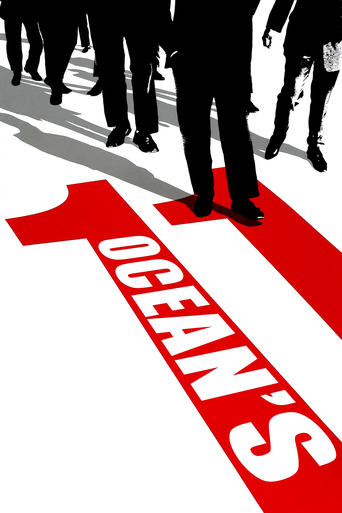
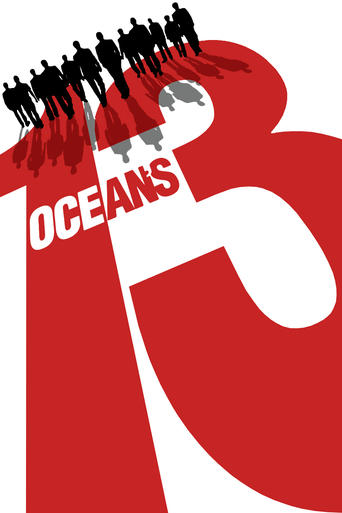
Steven Soderbergh is the master of the shelf, with four films. Ocean's Eleven, of 2001, with a 7.5, gathers George Clooney, Brad Pitt, Matt Damon, Don Cheadle, Elliott Gould, Bernie Mac and Carl Reiner for the robbery of three Las Vegas casinos on the same night, with Andy García as their owner and Julia Roberts as the woman between him and Danny Ocean; it is a remake of the Rat Pack film of 1960. The same crew returns in Ocean's Twelve, of 2004, a European tour from Amsterdam to Rome, and in Ocean's Thirteen, of 2007, a revenge on the casino owner played by Al Pacino. Soderbergh later moved the heist to North Carolina with Logan Lucky, of 2017, in which Channing Tatum and Adam Driver, two unlucky brothers, rob a speedway during a race with the help of an explosives expert played by Daniel Craig. The spin-off Ocean's Eight, of 2018, by Gary Ross, gives the family business to Debbie Ocean, played by Sandra Bullock, who gathers Cate Blanchett, Anne Hathaway, Helena Bonham Carter, Rihanna, Mindy Kaling and Sarah Paulson for the theft of a necklace at the Met Gala.
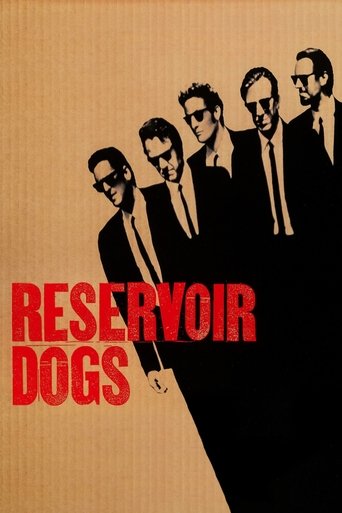
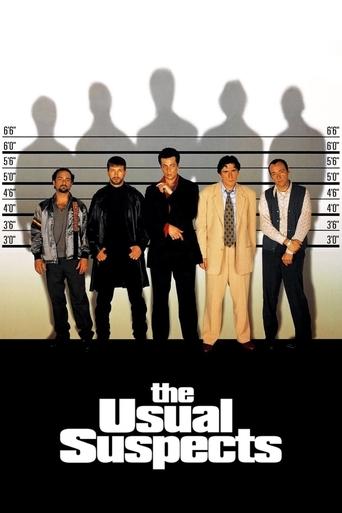
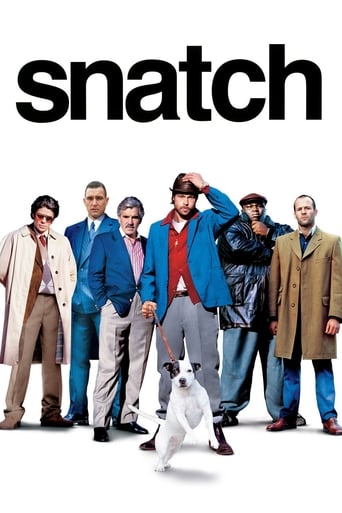
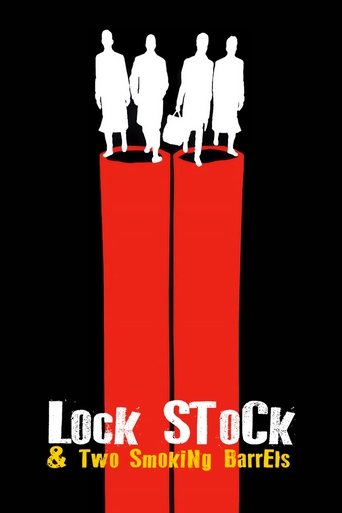
Britain gives the shelf two crime comedies by Guy Ritchie: Lock, Stock and Two Smoking Barrels, of 1998, with an 8.1, four friends in debt after a rigged card game in the East End of London, with Jason Flemyng, Jason Statham and Vinnie Jones, and Snatch, of 2000, with a 7.8, a stolen diamond that passes from hand to hand among boxers, gangsters and an Irish traveller played by Brad Pitt. The American crime films of the 1990s are here too. Reservoir Dogs, of 1992, the first feature of Quentin Tarantino, with an 8.1, follows a jewel robbery gone wrong through the men who survived it, each known only by a colour, Mr. White, Mr. Orange, Mr. Pink; The Usual Suspects, of 1995, by Bryan Singer, with an 8.2, the best rated of the shelf after Inception, begins with five criminals in a police line-up and ends with one of the most famous twists of the decade.
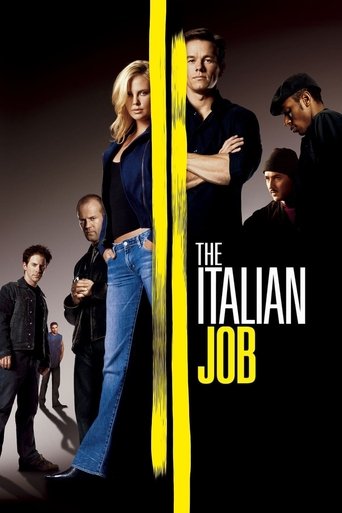
The lighter heists complete the shelf. Now You See Me, of 2013, by Louis Leterrier, with a 7.3, sends four stage magicians, played by Jesse Eisenberg, Woody Harrelson, Isla Fisher and Dave Franco, to rob a bank in Paris in the middle of a show in Las Vegas. The Italian Job, of 2003, by F. Gary Gray, remakes the British film of 1969 with Mark Wahlberg, Charlize Theron, Edward Norton, Jason Statham and three Minis loaded with gold in the streets of Los Angeles, and Tower Heist, of 2011, by Brett Ratner, with Ben Stiller and Eddie Murphy, sends the staff of a luxury building after the fortune of the swindler who took their pensions. The guide The heist crew follows the plan.
Superhero teams
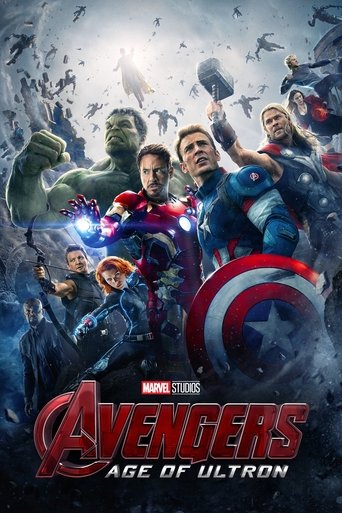
The shelf Superhero teams gathers thirteen films from 2000 to 2021. It is the most voted shelf of the guide, with about 288,000 votes, and the best rated, with an average of 7.66. Five of its films belong to the Avengers saga of Marvel. The Avengers, of 2012, by Joss Whedon, with an 8.1 and about 40,100 votes, the second most voted film of the guide, brings together Iron Man, Captain America, Thor, the Hulk, Black Widow and Hawkeye against Loki and an alien army over New York, with Robert Downey Jr., Chris Evans, Chris Hemsworth, Mark Ruffalo, Scarlett Johansson and Jeremy Renner. Whedon returned for Avengers: Age of Ultron, of 2015, with a 7.3, in which an artificial intelligence turns against its makers.
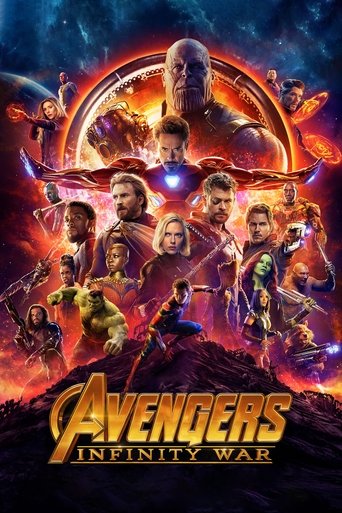
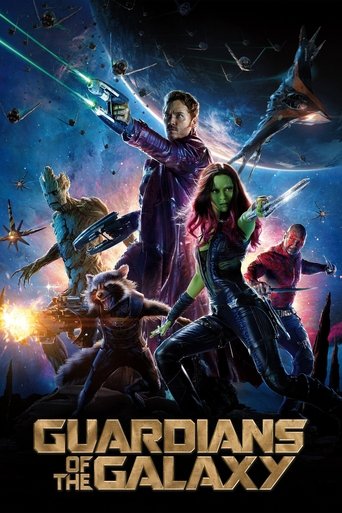
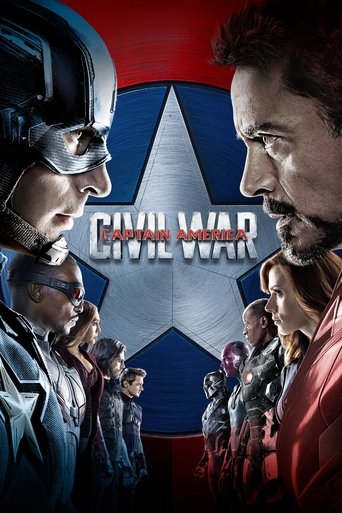
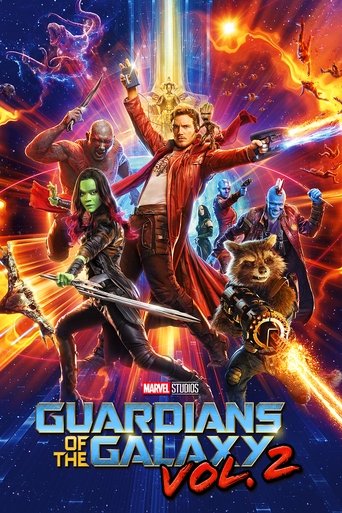
Anthony and Joe Russo directed the next three. Captain America: Civil War, of 2016, with a 7.5, splits the team in two over a treaty that would place the heroes under the control of the United Nations, with Iron Man on one side and Captain America on the other; Avengers: Infinity War, of 2018, and Avengers: Endgame, of 2019, both with an 8.2, bring together almost every hero of ten years of Marvel films against the titan Thanos, played by Josh Brolin, and Endgame runs for 181 minutes. James Gunn gave Marvel a second, odder team with Guardians of the Galaxy, of 2014, with a 7.9, and Guardians of the Galaxy Vol. 2, of 2017, with a 7.6: a human thief, an assassin, a warrior, a talking raccoon and a walking tree, played by Chris Pratt, Zoe Saldaña, Dave Bautista and the voices of Bradley Cooper and Vin Diesel.
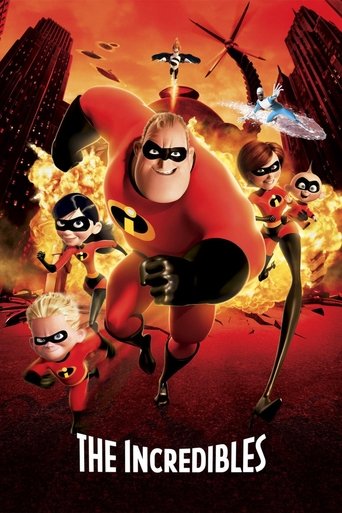
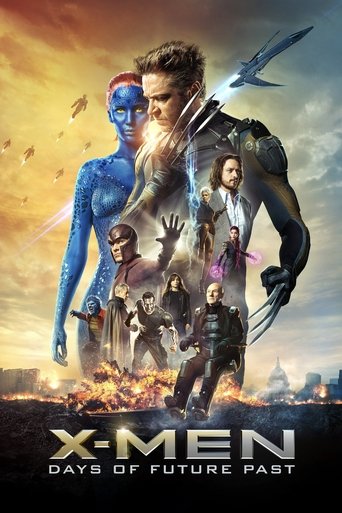
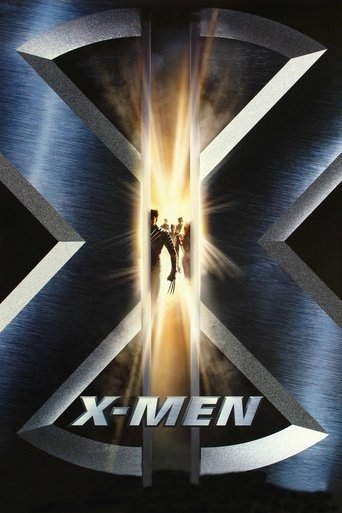
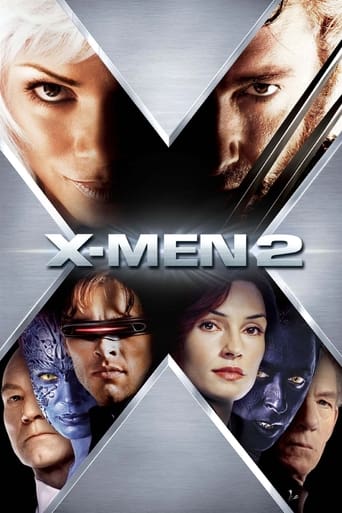
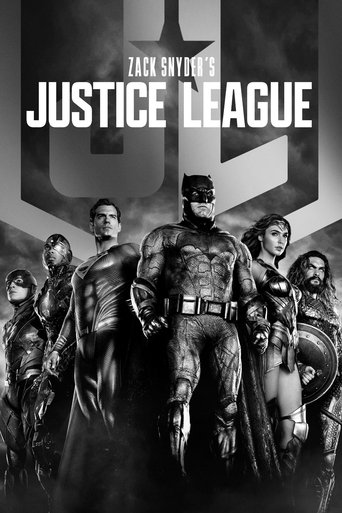
The mutants of X-Men came first. X-Men, of 2000, by Bryan Singer, with Hugh Jackman as Wolverine, Patrick Stewart as Professor X and Ian McKellen as Magneto, opened the age of the superhero team on film, and Singer followed it with X2, of 2003, and X-Men: Days of Future Past, of 2014, with a 7.5, in which Wolverine travels back to 1973 to unite the young and the old casts of the series. DC answers with two films by Zack Snyder: Watchmen, of 2009, with a 7.4, the adaptation of the graphic novel of Alan Moore and Dave Gibbons about retired masked heroes in an alternate 1985, and Zack Snyder's Justice League, of 2021, with an 8.1, the director's own cut of the Justice League film, which at 242 minutes is the longest film of the guide. The family of The Incredibles, of 2004, by Brad Bird for Pixar, with a 7.7, closes the shelf: a father, a mother and three children, each with a different power, form the smallest superhero team of the guide. The guide The team-up follows them all.
Squads and platoons
The shelf Squads and platoons gathers thirteen films from 1961 to 2017 and carries about 98,000 votes, with an average rating of 7.62. Its films follow soldiers who fight, wait and survive together, from the Second World War to Vietnam and Somalia. The oldest of them belong to the age of the all-star war epic, when the studios filled a single film with every leading man they could sign.
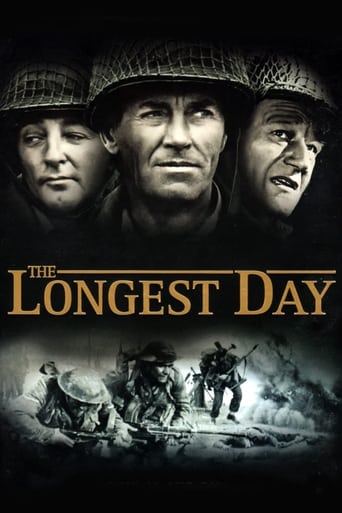
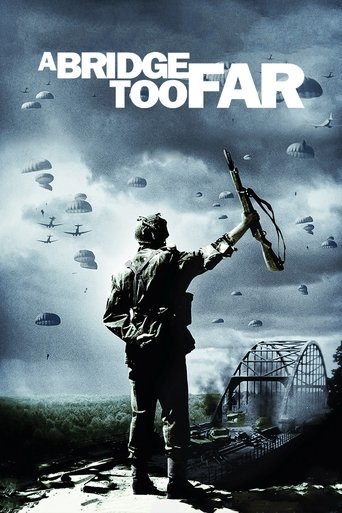
The Longest Day, of 1962, with a 7.6 and 178 minutes, tells the Normandy landings of 6 June 1944 from the American, British, French and German sides, with John Wayne, Robert Mitchum, Henry Fonda, Richard Burton and Sean Connery among dozens of stars, with Ken Annakin first among its three credited directors. Fifteen years later, Richard Attenborough did the same for Operation Market Garden in A Bridge Too Far, of 1977, with a 7.2 and 175 minutes, and a cast that runs from Dirk Bogarde and James Caan to Michael Caine, Sean Connery, Gene Hackman, Anthony Hopkins, Laurence Olivier and Robert Redford.
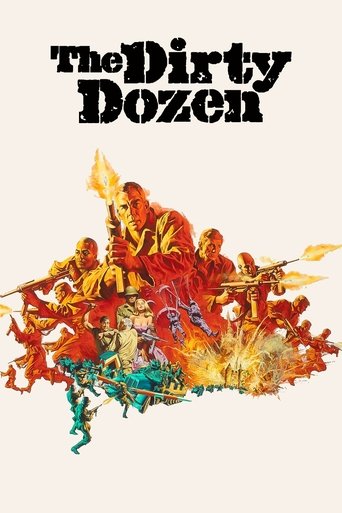
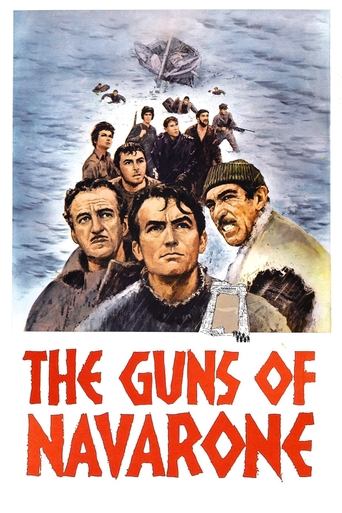
The mission film is the other great form of the shelf. The Guns of Navarone, of 1961, by J. Lee Thompson, the oldest film of the shelf, sends Gregory Peck, David Niven and Anthony Quinn to destroy two giant guns on a Greek island; The Dirty Dozen, of 1967, by Robert Aldrich, with a 7.6, turns twelve convicts, led by Lee Marvin, into a commando for a raid on a French chateau full of German officers; and Kelly's Heroes, of 1970, by Brian G. Hutton, with a 7.4, sends Clint Eastwood, Telly Savalas and Donald Sutherland behind the German lines after a fortune in gold bars. Quentin Tarantino rewrote the form in Inglourious Basterds, of 2009, with an 8.2 and about 25,000 votes, the most voted film of the shelf: Brad Pitt leads a unit of Jewish American soldiers through occupied France, while a young cinema owner, played by Mélanie Laurent, plans her own revenge, and Christoph Waltz plays the SS colonel who hunts them all.
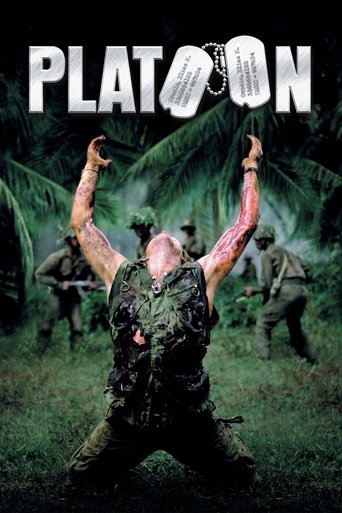
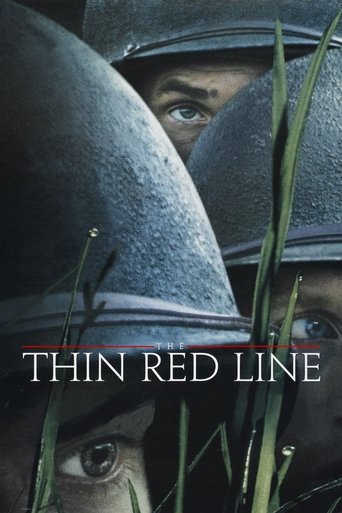
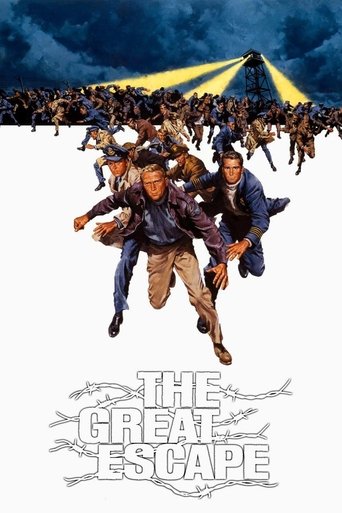
The Great Escape, of 1963, by John Sturges, with a 7.9, the best rated of the older films of the shelf, follows the prisoners of a German camp who dig three tunnels for a mass escape, with Steve McQueen on his motorcycle, James Garner, Richard Attenborough, James Coburn and Charles Bronson. The war films of the 1980s and 1990s are darker. Platoon, of 1986, by Oliver Stone, with a 7.7, the winner of the Academy Award for best picture, follows a young soldier, played by Charlie Sheen, between two sergeants, played by Tom Berenger and Willem Dafoe, in Vietnam; The Thin Red Line, of 1998, by Terrence Malick, 171 minutes long, follows a company of American soldiers at Guadalcanal with a cast that includes Sean Penn, Nick Nolte, Jim Caviezel, Adrien Brody, Woody Harrelson, John Travolta and George Clooney.
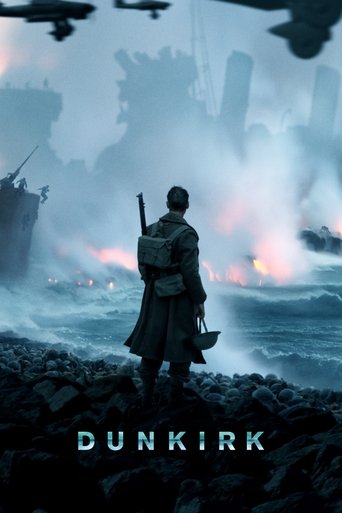
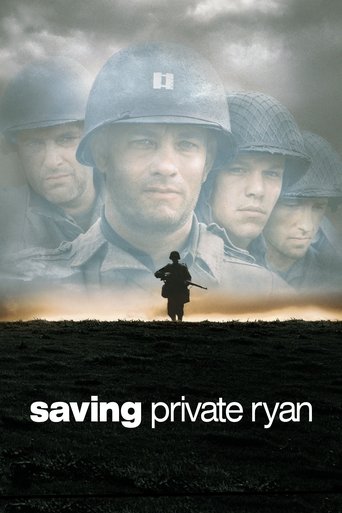
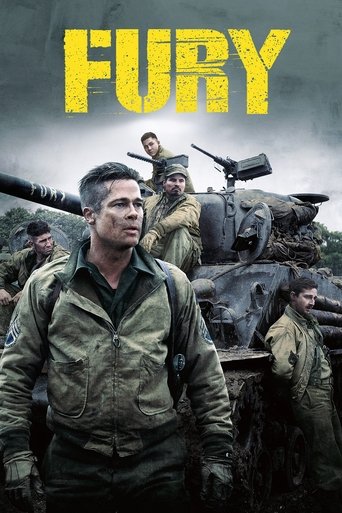
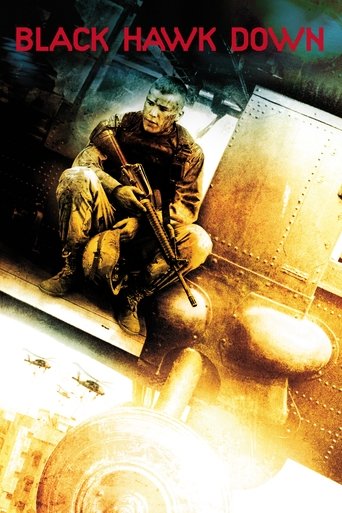
Saving Private Ryan, of 1998, by Steven Spielberg, with an 8.2 and 169 minutes, opens on Omaha Beach and sends a captain played by Tom Hanks and his squad across Normandy to find a single paratrooper, played by Matt Damon, whose three brothers have died in the war. The newer films keep the group at the centre. Black Hawk Down, of 2001, by Ridley Scott, with a 7.4, tells the battle of Mogadishu of October 1993 through the Rangers and Delta soldiers trapped in the city, with Josh Hartnett, Ewan McGregor, Tom Sizemore and Eric Bana; Fury, of 2014, by David Ayer, with a 7.5, shuts five men inside a Sherman tank in Germany in April 1945, with Brad Pitt, Shia LaBeouf, Logan Lerman, Michael Peña and Jon Bernthal; and Dunkirk, of 2017, by Christopher Nolan, with a 7.5 and about 18,100 votes, tells the evacuation of 1940 on land, on sea and in the air, with Fionn Whitehead, Tom Hardy, Mark Rylance, Kenneth Branagh, Cillian Murphy and Harry Styles. The guide The squad follows the soldiers.
Team sports
The shelf Team sports gathers thirteen films from 1986 to 2011, with an average rating of 7.09. Four of them are about baseball, three about American football, two about basketball, two about ice hockey, one about bobsleigh and one about dodgeball, and almost all of them follow the same arc: a team of misfits, a coach who believes in them, a season of defeats and a final game. Several are true stories.
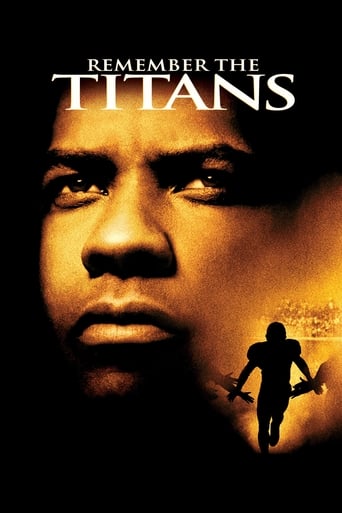
The most voted film of the shelf is Moneyball, of 2011, by Bennett Miller, with a 7.3 and about 6,100 votes: Brad Pitt plays Billy Beane, the general manager of the Oakland Athletics, who builds a team on a small budget in 2002 with the help of statistics and of an economist played by Jonah Hill. The best rated is Remember the Titans, of 2000, by Boaz Yakin, with a 7.7: Denzel Washington plays Herman Boone, the coach of the football team of a newly integrated high school in Alexandria, Virginia, in 1971, where black and white players learn to play as one. Coach Carter, of 2005, by Thomas Carter, with a 7.6, also comes from a true story: Samuel L. Jackson plays Ken Carter, the basketball coach of a high school in Richmond, California, who locks his unbeaten team out of the gym until their grades improve.
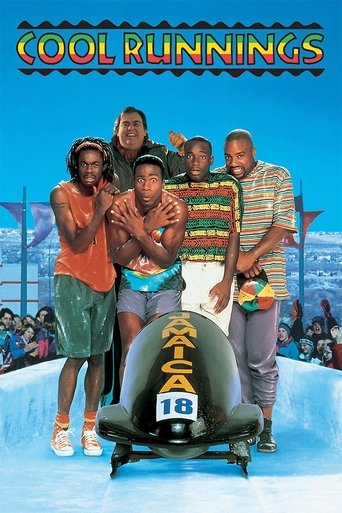
Ice hockey gives the shelf a true story and a comedy. Miracle, of 2004, by Gavin O'Connor, with a 7.1, follows Herb Brooks, played by Kurt Russell, and the young American team that beat the Soviet Union at the Winter Olympics of Lake Placid in 1980; The Mighty Ducks, of 1992, by Stephen Herek, sends a lawyer played by Emilio Estevez to coach a team of children in Minneapolis. Cool Runnings, of 1993, by Jon Turteltaub, with a 7.0, follows the first Jamaican bobsleigh team to the Winter Olympics of Calgary in 1988, coached by John Candy, and Hoosiers, of 1986, by David Anspaugh, the oldest film of the shelf, follows a small high school of Indiana to the state basketball final, with Gene Hackman as the coach and Dennis Hopper as the father of a player.
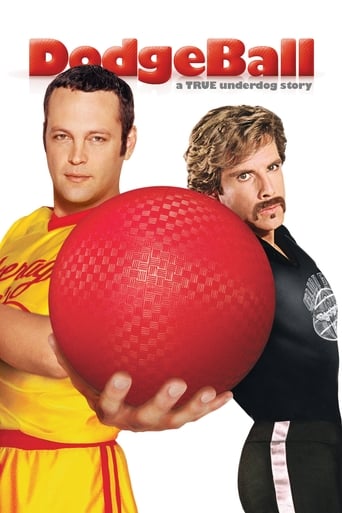
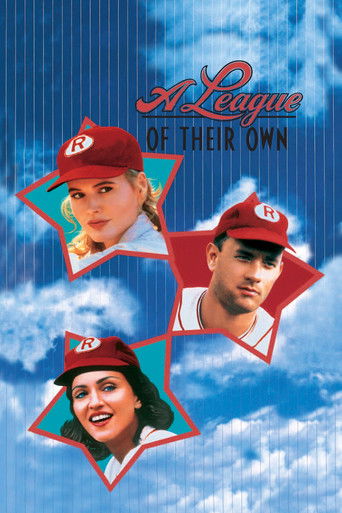
Baseball holds four films. A League of Their Own, of 1992, by Penny Marshall, with a 7.2, tells the women's professional league of the Second World War through the Rockford Peaches, with Geena Davis, Lori Petty, Madonna and Rosie O'Donnell, and Tom Hanks as their coach; The Sandlot, of 1993, with a 7.6, follows a group of boys and a summer of games in a dusty lot in 1962; and Major League, of 1989, by David S. Ward, with Tom Berenger and Charlie Sheen, follows a Cleveland team built to lose by an owner who wants to move the club. Football closes the shelf with Any Given Sunday, of 1999, by Oliver Stone, 163 minutes long, with Al Pacino as the coach of a fictional Miami club, and Friday Night Lights, of 2004, by Peter Berg, with Billy Bob Thornton as the coach of the Permian Panthers of Odessa, Texas, in 1988. DodgeBall: A True Underdog Story, of 2004, sends Vince Vaughn and the regulars of a failing gym against a rival gym run by Ben Stiller. The guide The locker room follows the teams.
Gatherings
The second family of the guide holds 52 films on four shelves, with about 183,000 votes and an average rating of 6.95. Its films begin with an occasion, a holiday, a wedding, a funeral, a birthday or the last day of school, that brings a crowd under one roof, and they end when the guests go home changed. The family runs from Tokyo Story, of 1953, the oldest film of the guide, to Booksmart, of 2019, and Happiest Season, of 2020.
Holiday ensembles
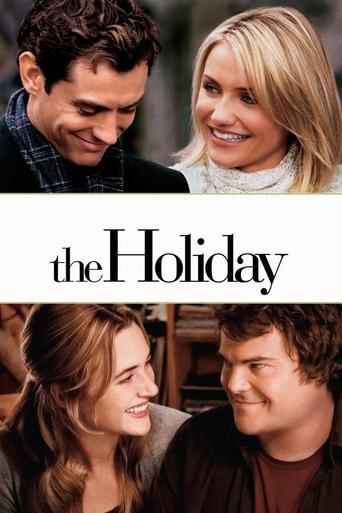
The shelf Holiday ensembles gathers thirteen films from 1989 to 2020, and ten of them take place at Christmas. The most voted is Love Actually, of 2003, written and directed by Richard Curtis, with a 7.1 and about 7,600 votes: ten love stories in London in the five weeks before Christmas, with Hugh Grant as a new prime minister, Emma Thompson and Alan Rickman as a married couple in trouble, Colin Firth as a writer in France, Liam Neeson as a widower, Keira Knightley as a bride and Bill Nighy as an old rock star chasing the Christmas number one. The Holiday, of 2006, by Nancy Meyers, with a 7.1, swaps the homes of two women, played by Cameron Diaz and Kate Winslet, between Los Angeles and an English village, where Jude Law and Jack Black are waiting.
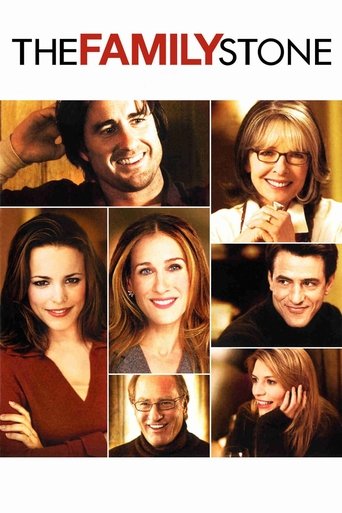
The best rated film of the shelf is National Lampoon's Christmas Vacation, of 1989, the oldest of the shelf, with a 7.2: Chevy Chase plays Clark Griswold, who invites both sides of the family for an old-fashioned Christmas and covers his house with 25,000 lights. The families come home for the holidays in several other films. The Family Stone, of 2005, brings a nervous fiancée, played by Sarah Jessica Parker, to the house of her boyfriend's family, led by Diane Keaton; Love the Coopers, of 2015, gathers four generations of a family around Diane Keaton and John Goodman, with a dog as the narrator, voiced by Steve Martin; and Happiest Season, of 2020, by Clea DuVall, with a 7.1, follows a young woman, played by Kristen Stewart, to the Christmas of her girlfriend's family, who have yet to learn that their daughter loves a woman. The Best Man Holiday, of 2013, by Malcolm D. Lee, reunites a group of college friends for Christmas fifteen years after the wedding of the first film.
The comedies of the shelf take the party outside the home. A Bad Moms Christmas, of 2017, brings the mothers of the three heroines, played by Mila Kunis, Kristen Bell and Kathryn Hahn, home for the holidays; The Night Before, of 2015, follows three old friends, played by Joseph Gordon-Levitt, Seth Rogen and Anthony Mackie, through their last Christmas Eve together in New York; and Office Christmas Party, of 2016, with Jason Bateman, Olivia Munn, T.J. Miller and Jennifer Aniston, throws the biggest party in the history of a failing branch office in Chicago.
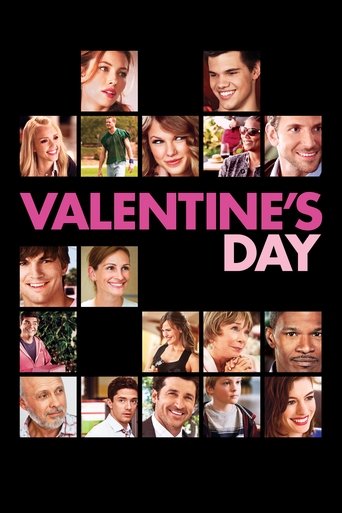
Garry Marshall gave the holiday ensemble its own small series, three films each named after a day of the year and each built on a dozen stars: Valentine's Day, of 2010, in Los Angeles, with Jessica Alba, Kathy Bates, Jessica Biel, Bradley Cooper, Anne Hathaway, Ashton Kutcher, Julia Roberts and Taylor Swift; New Year's Eve, of 2011, in New York, with Hilary Swank, Michelle Pfeiffer, Robert De Niro, Halle Berry, Zac Efron and Sarah Jessica Parker; and Mother's Day, of 2016, in Atlanta, with Jennifer Aniston, Kate Hudson and Julia Roberts, the last film of Marshall, who died that year. The guide The holiday ensemble follows the big days.
Weddings, funerals and reunions
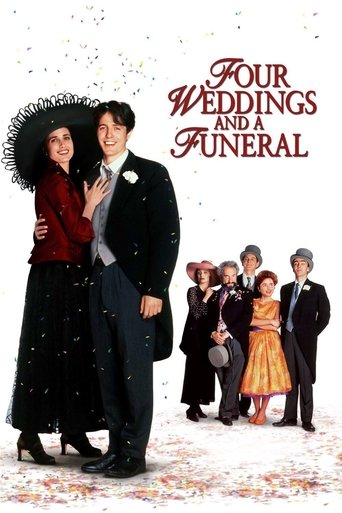
The shelf Weddings, funerals and reunions gathers thirteen films from 1983 to 2018, two of them in other languages than English. The most voted is Mamma Mia!, of 2008, by Phyllida Lloyd, with a 7.0 and about 7,200 votes: on a Greek island, a young bride played by Amanda Seyfried invites to her wedding the three men who might be her father, played by Pierce Brosnan, Colin Firth and Stellan Skarsgård, to the surprise of her mother, played by Meryl Streep, all to the songs of ABBA. Four Weddings and a Funeral, of 1994, by Mike Newell, from a script by Richard Curtis, follows Hugh Grant and his friends through five ceremonies and a long hesitation over Andie MacDowell.
The best rated film of the shelf is The Wedding Banquet, of 1993, by Ang Lee, with a 7.2: a young Taiwanese man living in New York with his boyfriend arranges a marriage of convenience to satisfy his parents, who fly in from Taipei for a banquet that grows far beyond his plans. Monsoon Wedding, of 2001, by Mira Nair, winner of the Golden Lion at Venice, gathers a large Punjabi family in Delhi for four days of an arranged marriage during the monsoon. Crazy Rich Asians, of 2018, by Jon M. Chu, with a 7.0, takes a New York economics professor, played by Constance Wu, to Singapore for the wedding of her boyfriend's best friend, where she discovers that his family is among the richest of Asia and that his mother, played by Michelle Yeoh, has other plans for him.
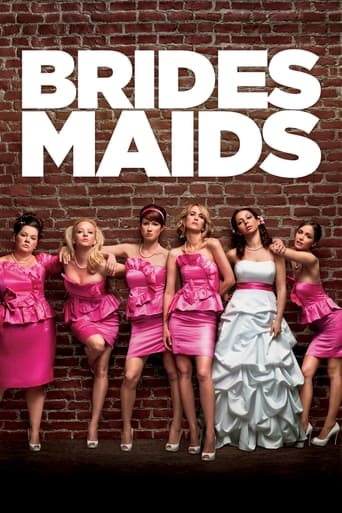
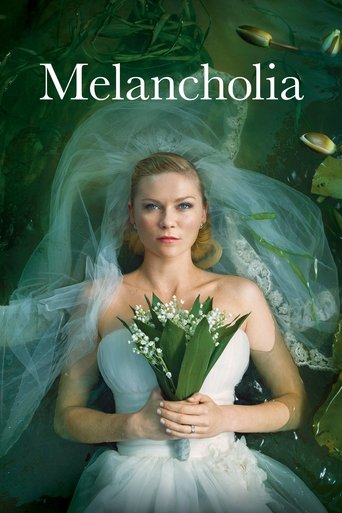
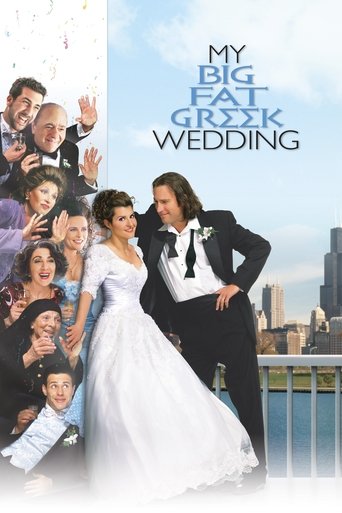
The comedies of the shelf crash the party. Wedding Crashers, of 2005, with Owen Wilson and Vince Vaughn as two friends who slip into strangers' weddings; Bridesmaids, of 2011, by Paul Feig, co-written by Kristen Wiig, who plays a maid of honour at war with the other bridesmaids, with Maya Rudolph, Rose Byrne and Melissa McCarthy; and My Big Fat Greek Wedding, of 2002, written by Nia Vardalos, who plays a young Greek American woman whose huge family meets the quiet family of her fiancé. Melancholia, of 2011, by Lars von Trier, with a 7.1, turns the wedding into the end of the world: Kirsten Dunst plays a bride who falls apart on her wedding night while a rogue planet heads for the Earth.
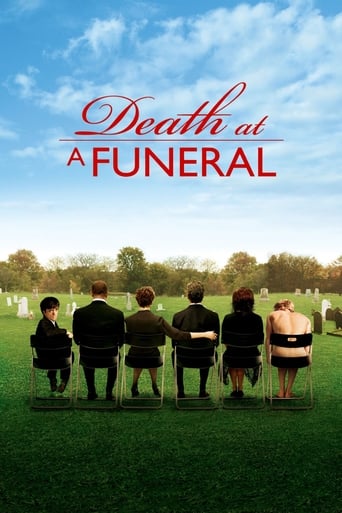
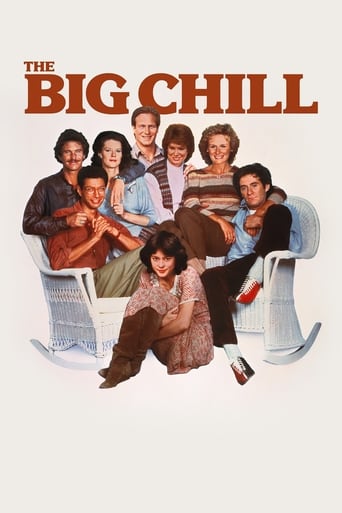
The funerals and the reunions close the shelf. Death at a Funeral, of 2007, by Frank Oz, with a 6.9, turns the funeral of a father in an English country house into a farce, with Matthew Macfadyen and Peter Dinklage; The Big Chill, of 1983, by Lawrence Kasdan, the oldest film of the shelf, reunites a group of college friends of the 1960s, played by Tom Berenger, Glenn Close, Jeff Goldblum, William Hurt, Kevin Kline and Mary Kay Place, for a weekend after the funeral of one of them; Grown Ups, of 2010, does the same in comedy, with Adam Sandler, Kevin James, Chris Rock, David Spade and Rob Schneider as old teammates gathered by the death of their basketball coach. Rachel Getting Married, of 2008, by Jonathan Demme, with a 6.3, brings a young woman just out of rehab, played by Anne Hathaway, home for the wedding of her sister, and follows the long weekend almost like a home movie. The guide Weddings and funerals follows the guests.
Family gatherings
The shelf Family gatherings gathers thirteen films from 1953 to 2018 and is the most international shelf of the guide: five of its films are in other languages than English, two in Japanese, one in Mandarin, one in Danish and one in Swedish. It is also the best rated shelf of the second family, with an average of 7.4, and it holds two of the fifteen films of the guide rated 8 or more.
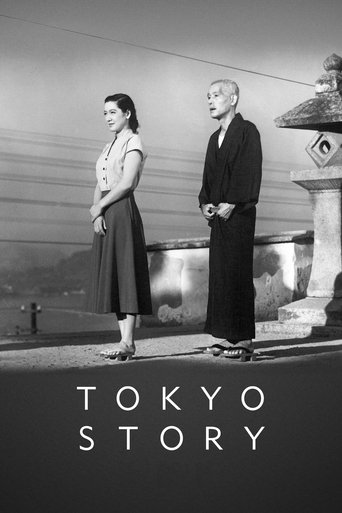
The oldest and the best rated is Tokyo Story, of 1953, by Yasujirō Ozu, with an 8.2: an elderly couple, played by Chishū Ryū and Chieko Higashiyama, travel from their small town to Tokyo to visit their grown children, who are too busy to spend time with them, and only their widowed daughter-in-law, played by Setsuko Hara, gives them her days. Half a century later, Yi Yi, of 2000, by Edward Yang, with an 8.0 and 174 minutes, follows a middle-class family of Taipei over a year that opens with a wedding and closes with a funeral, seen through the eyes of a father, a teenage daughter and a small boy who photographs the backs of people's heads. Japan returns with Shoplifters, of 2018, by Hirokazu Kore-eda, winner of the Palme d'Or, with a 7.8: a poor family of Tokyo who live by small thefts takes in a little girl found alone in the cold, and the film slowly reveals what truly binds them.
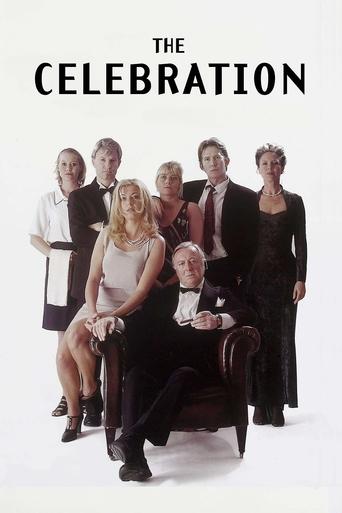
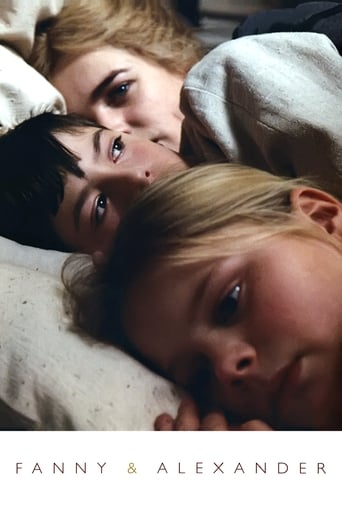
The European classics of the shelf are two. Fanny and Alexander, of 1982, by Ingmar Bergman, with a 7.8 and 188 minutes, opens on the vast Christmas of the Ekdahl family in a Swedish university town in 1907 and follows the two children of the title into the cold house of their stepfather, a bishop. The Celebration, of 1998, by Thomas Vinterberg, with a 7.7, the first film of the Danish Dogme 95 movement, shot on a small video camera, gathers a large family in a country hotel for the sixtieth birthday of its patriarch, until the eldest son rises to give a toast that reveals the secret of the house.
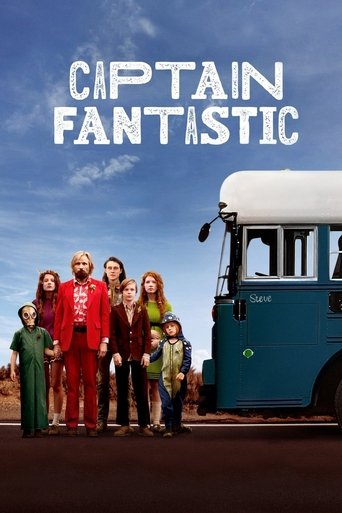
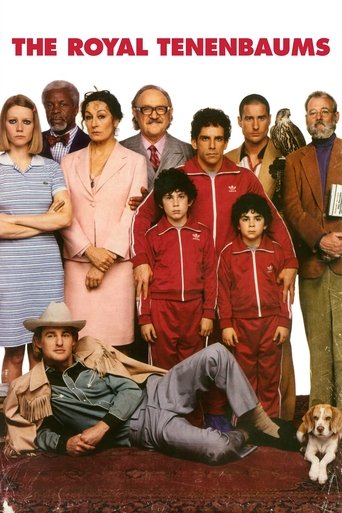
The American films of the shelf range from comedy to drama. The most voted is Little Miss Sunshine, of 2006, by Jonathan Dayton and Valerie Faris, with a 7.7 and about 8,200 votes: the Hoover family, with Greg Kinnear, Toni Collette, Steve Carell, Paul Dano, Alan Arkin and Abigail Breslin, crosses the Southwest in a yellow Volkswagen bus to take the youngest to a beauty pageant in California. Captain Fantastic, of 2016, by Matt Ross, with a 7.9, the best rated American film of the shelf, follows a father, played by Viggo Mortensen, who has raised his six children deep in the forests of the Pacific Northwest, on the road to the funeral of their mother. The Royal Tenenbaums, of 2001, by Wes Anderson, with a 7.5, gathers a family of former child prodigies, played by Gwyneth Paltrow, Ben Stiller and Luke Wilson, when their father, played by Gene Hackman, pretends to be dying to return home, with Anjelica Huston as their mother and Bill Murray and Owen Wilson around them.
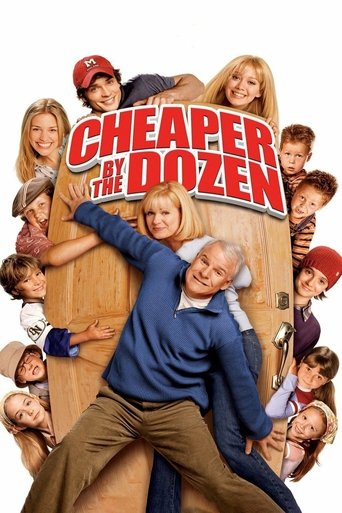
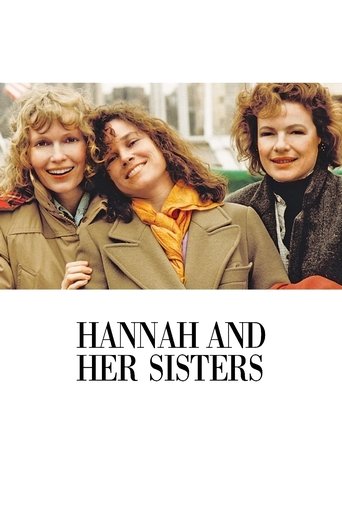
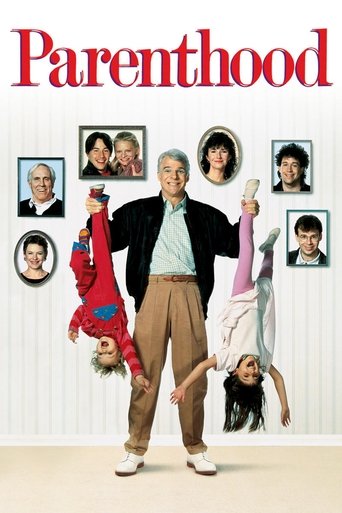
Hannah and Her Sisters, of 1986, by Woody Allen, with a 7.5, follows three sisters, played by Mia Farrow, Barbara Hershey and Dianne Wiest, between three Thanksgiving dinners, with Michael Caine as the husband of Hannah. August: Osage County, of 2013, by John Wells, from the play of Tracy Letts, gathers three daughters, played by Julia Roberts, Juliette Lewis and Julianne Nicholson, in the hot Oklahoma house of their sharp-tongued mother, played by Meryl Streep. Parenthood, of 1989, by Ron Howard, follows four grown siblings and their children, with Steve Martin, Mary Steenburgen, Dianne Wiest, Jason Robards, Rick Moranis and Keanu Reeves. The Meyerowitz Stories (New and Selected), of 2017, by Noah Baumbach, gathers three half-siblings, played by Adam Sandler, Ben Stiller and Elizabeth Marvel, around their father, a sculptor played by Dustin Hoffman, and Cheaper by the Dozen, of 2003, by Shawn Levy, with Steve Martin and Bonnie Hunt, has the largest family of the shelf: twelve children. The guide The family table sets the table.
Youth ensembles
The shelf Youth ensembles gathers thirteen films from 1973 to 2019 and carries about 73,000 votes, the most of the second family. Its films follow a group of friends or classmates through a short span of time, a Saturday, a summer, a school year or a last night, and many of them gave a first chance to actors who became stars.
The most voted and the best rated film of the shelf is Dead Poets Society, of 1989, by Peter Weir, with an 8.3 and about 13,100 votes, the third best rated film of the guide: at a strict boarding school of Vermont in 1959, an English teacher played by Robin Williams urges his students, among them Robert Sean Leonard and Ethan Hawke, to seize the day, and they revive a secret poetry club. The Breakfast Club, of 1985, by John Hughes, with a 7.7, shuts five students of a Chicago suburb in the school library for a Saturday detention, a brain, an athlete, a basket case, a princess and a criminal, played by Anthony Michael Hall, Emilio Estevez, Ally Sheedy, Molly Ringwald and Judd Nelson.
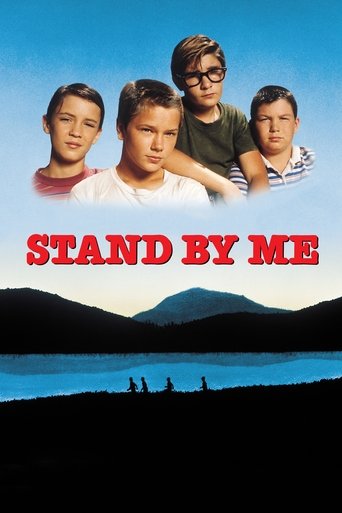
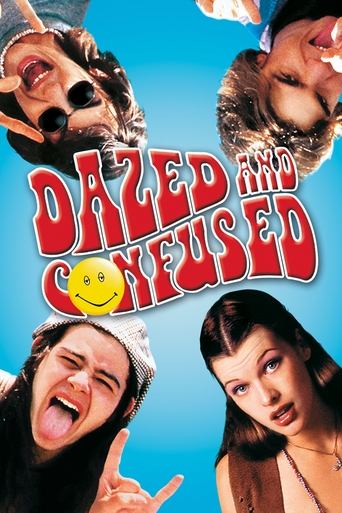
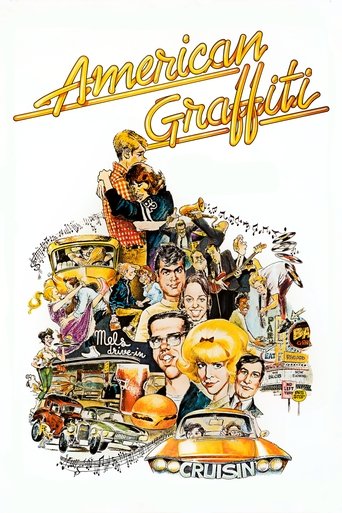
George Lucas made American Graffiti, of 1973, the oldest film of the shelf, four years before Star Wars: a last summer night of 1962 in a small California town, with Richard Dreyfuss, Ron Howard, Paul Le Mat, Charles Martin Smith, Cindy Williams and a young Harrison Ford, to the rock and roll of a local radio station. Richard Linklater has two films on the shelf: Dazed and Confused, of 1993, with a 7.3, the last day of school in a Texas town in 1976, with Jason London, Ben Affleck, Milla Jovovich and Matthew McConaughey in his first major role, and Everybody Wants Some!!, of 2016, the first weekend of a college baseball team before the classes of 1980. Stand by Me, of 1986, by Rob Reiner, from a novella of Stephen King, with a 7.8 and 89 minutes, follows four boys of Oregon, played by Wil Wheaton, River Phoenix, Corey Feldman and Jerry O'Connell, on a walk along the railway in search of a body in 1959.
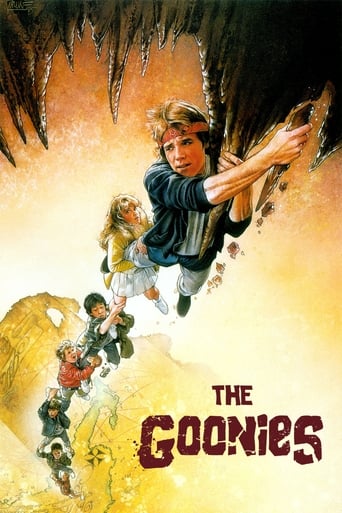
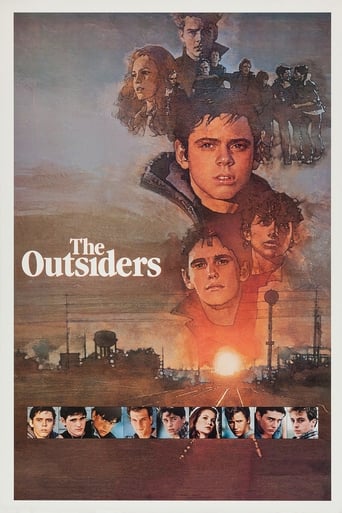
The Outsiders, of 1983, by Francis Ford Coppola, from the novel of S. E. Hinton, gathered a cast of young actors who all became famous: C. Thomas Howell, Matt Dillon, Ralph Macchio, Patrick Swayze, Rob Lowe, Emilio Estevez and Tom Cruise, as the greasers of an Oklahoma town at war with the rich Socs. The Goonies, of 1985, by Richard Donner, from a story of Steven Spielberg, sends a gang of children of Oregon, among them Sean Astin and Josh Brolin, after the treasure of the pirate One-Eyed Willy. Fast Times at Ridgemont High, of 1982, by Amy Heckerling, from the book of Cameron Crowe, follows a school year in a California shopping mall and a high school, with Sean Penn as the surfer Spicoli and Jennifer Jason Leigh.
The newer comedies of the shelf follow the last days of school. Mean Girls, of 2004, by Mark Waters, written by Tina Fey, with a 7.2, sends a new student raised in Africa, played by Lindsay Lohan, into the clique of the Plastics led by Rachel McAdams; American Pie, of 1999, follows four friends through the weeks before their graduation; Superbad, of 2007, by Greg Mottola, written by Seth Rogen and Evan Goldberg, with a 7.3, follows Jonah Hill, Michael Cera and Christopher Mintz-Plasse through one long night before graduation; and Booksmart, of 2019, the first feature of Olivia Wilde, gives the same night to two top students, played by Kaitlyn Dever and Beanie Feldstein, who decide to make up for four years of study in a single party. The guide The school ensemble calls the roll.
The big cast
The third family of the guide holds 52 films on four shelves, with about 261,000 votes and an average rating of 6.92. Here the large cast is the very point of the film: a city seen through a dozen lives, a house where every guest might be the murderer, a ship or a tower where the audience wonders which of the stars will survive, a comedy where each scene belongs to a different comedian. The family holds the best rated film of the guide, Pulp Fiction, and The Grand Budapest Hotel, the most voted film of its comedy shelf.
Crossing stories
The shelf Crossing stories gathers thirteen films from 1991 to 2012, with about 71,000 votes and an average rating of 7.26. These are the films that critics came to call hyperlink cinema: several plots, each with its own characters, that run side by side and touch at a few points, through a crash, a crime, a disease or a single night. The form owes much to Robert Altman, who gives the shelf Short Cuts, of 1993, with a 7.2 and 188 minutes, nine short stories and a poem of Raymond Carver braided into a single portrait of Los Angeles, with more than twenty leading actors, from Andie MacDowell and Tim Robbins to Julianne Moore, Jack Lemmon, Lily Tomlin, Tom Waits and Robert Downey Jr.
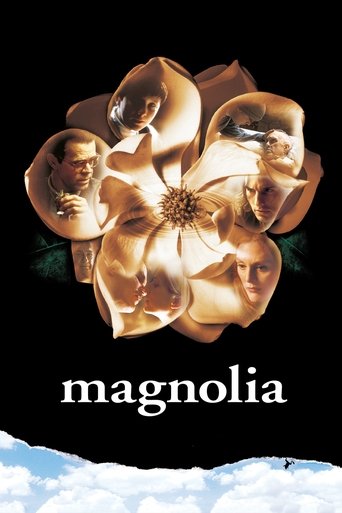
The best rated and most voted film of the shelf is Pulp Fiction, of 1994, by Quentin Tarantino, with an 8.5 and about 31,100 votes, the best rated film of the whole guide and the winner of the Palme d'Or: two hit men, played by John Travolta and Samuel L. Jackson, a boxer played by Bruce Willis, the wife of a gangster played by Uma Thurman and a pair of robbers in a diner, in three stories told out of order. Five years later, Paul Thomas Anderson pushed the form to its limit with Magnolia, of 1999, with a 7.7 and 189 minutes, a single day in the San Fernando Valley that links a dying television producer, his nurse, a game show host, a former child prodigy, a police officer and a self-help guru played by Tom Cruise, before a rain of frogs falls on all of them.
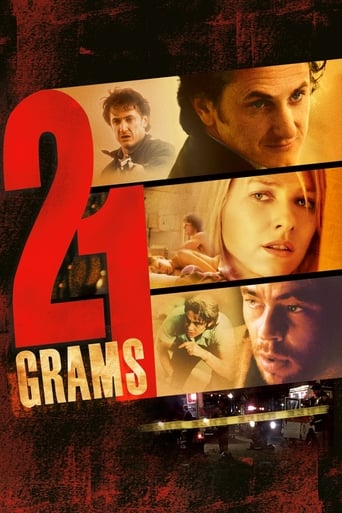
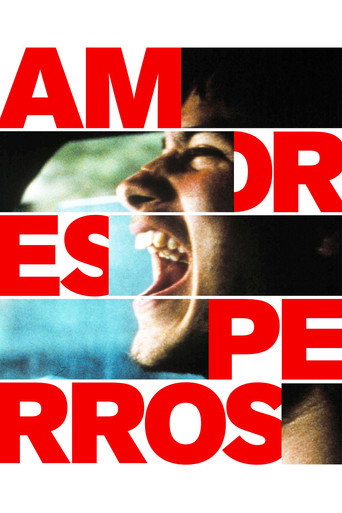
Alejandro G. Iñárritu has three films on the shelf, all three written by Guillermo Arriaga. Amores Perros, of 2000, the only Spanish-language film of the shelf, with a 7.6 and 154 minutes, links three stories of Mexico City through a single car crash, with Gael García Bernal in his first great role; 21 Grams, of 2003, with a 7.3, links a mathematician waiting for a heart, played by Sean Penn, a grieving mother, played by Naomi Watts, and a former convict turned to religion, played by Benicio del Toro, through another accident; and Babel, of 2006, with a 7.2, spreads the consequences of a single rifle shot across Morocco, Mexico, the United States and Japan, with Brad Pitt, Cate Blanchett, Gael García Bernal and Rinko Kikuchi.
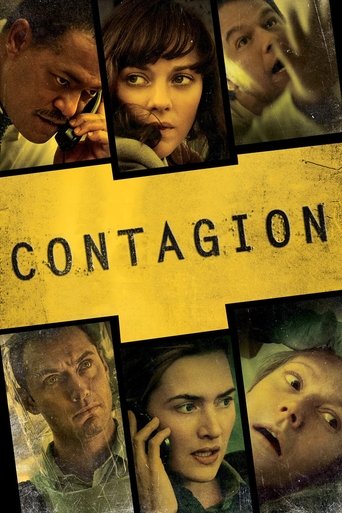
Steven Soderbergh gives the shelf two films. Traffic, of 2000, with a 7.1, follows the war on drugs on three fronts, a judge named drug czar in Washington, played by Michael Douglas, a police officer of Tijuana, played by Benicio del Toro, who won the Academy Award for the role, and the wife of a dealer in San Diego, played by Catherine Zeta-Jones. Contagion, of 2011, with a 6.7, follows a new virus around the world through doctors, scientists, a grieving husband and a blogger, with Marion Cotillard, Matt Damon, Laurence Fishburne, Jude Law, Gwyneth Paltrow and Kate Winslet. Stephen Gaghan, the writer of Traffic, directed Syriana, of 2005, with a 6.4, a portrait of the oil business that links a CIA agent played by George Clooney, an energy analyst played by Matt Damon, a Gulf prince and a young migrant worker.
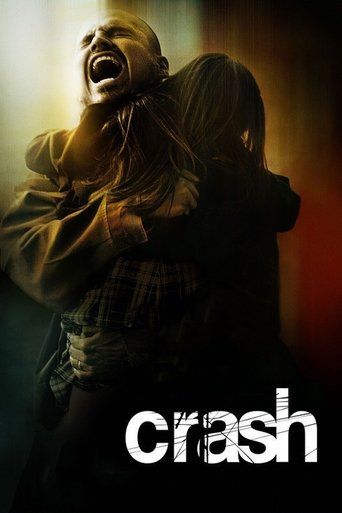
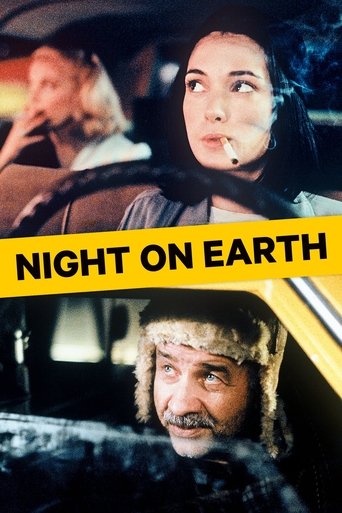
Crash, of 2005, by Paul Haggis, with a 7.2, the winner of the Academy Award for best picture, follows some thirty-six hours of Los Angeles through the lives of a detective, a district attorney and his wife, two car thieves, a shop owner and a locksmith, with Don Cheadle, Sandra Bullock, Matt Dillon, Thandiwe Newton and Terrence Howard. Cloud Atlas, of 2012, by Lana and Lilly Wachowski and Tom Tykwer, with a 6.9 and 172 minutes, braids six stories from the Pacific of 1849 to a distant future, with Tom Hanks, Halle Berry, Jim Broadbent and Hugo Weaving each playing several roles. The lighter crossings close the shelf: Night on Earth, of 1991, by Jim Jarmusch, with a 7.5, follows five taxi rides on the same night in Los Angeles, New York, Paris, Rome and Helsinki, and Go, of 1999, by Doug Liman, tells the same night three times, from the point of view of a supermarket cashier, her co-worker on a trip to Las Vegas and two actors. The guide The crossing story traces the threads.
Whodunits
The shelf Whodunits gathers thirteen films from 1974 to 2025 and carries about 55,600 votes. The whodunit is the ensemble film in its purest form: a crime, a closed circle of suspects, each played by a star, and a detective who gathers them all in one room for the last scene. Two detectives dominate the shelf, each with three films.
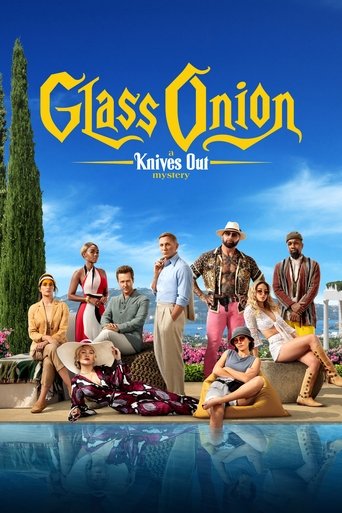
The best rated and most voted film of the shelf is Knives Out, of 2019, written and directed by Rian Johnson, with a 7.8 and about 14,700 votes: the famous crime novelist Harlan Thrombey, played by Christopher Plummer, is found dead after his eighty-fifth birthday, and the detective Benoit Blanc, played by Daniel Craig, questions a family of suspects played by Jamie Lee Curtis, Don Johnson, Michael Shannon, Toni Collette and Chris Evans, with Ana de Armas as the nurse at the heart of the case. Johnson followed it with Glass Onion: A Knives Out Mystery, of 2022, with a 7.0, a murder game on the Greek island of a tech billionaire played by Edward Norton, and Wake Up Dead Man: A Knives Out Mystery, of 2025, with a 7.2, the newest film of the guide, in which Blanc investigates an impossible crime in a small-town church with a young priest played by Josh O'Connor.
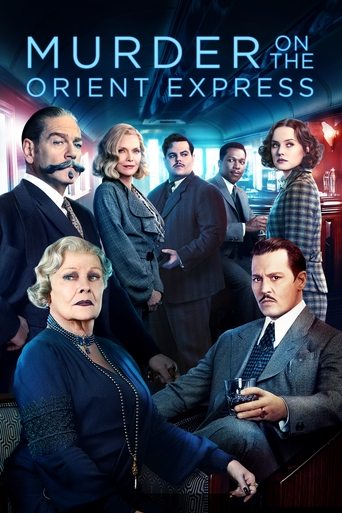
Kenneth Branagh directs himself as Hercule Poirot in three films. Murder on the Orient Express, of 2017, with about 10,800 votes, the second most voted film of the shelf, gathers Penélope Cruz, Willem Dafoe, Judi Dench, Johnny Depp, Josh Gad, Derek Jacobi, Michelle Pfeiffer and Daisy Ridley aboard the snowbound train; Death on the Nile, of 2022, moves the case to a steamer on the Nile, and A Haunting in Venice, of 2023, to a séance on the night of Halloween of 1947. The two older Poirots of the shelf are just as starry: Murder on the Orient Express, of 1974, by Sidney Lumet, with a 7.1, gave Albert Finney the role and gathered Lauren Bacall, Ingrid Bergman, who won an Academy Award, Sean Connery, John Gielgud and Vanessa Redgrave; and Death on the Nile, of 1978, by John Guillermin, with a 7.2, gave the role to Peter Ustinov, with Bette Davis, Mia Farrow, David Niven and Maggie Smith among the passengers.
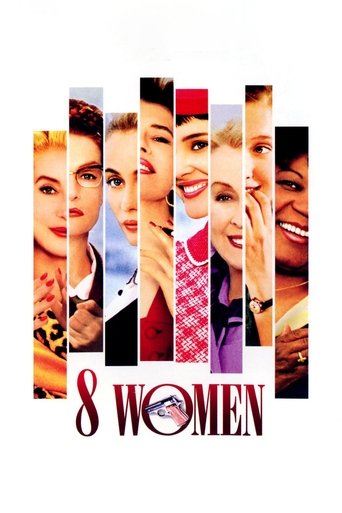
The rest of the shelf plays with the form. Clue, of 1985, by Jonathan Lynn, with a 7.2, the film of the board game, gathers six guests with false names, Tim Curry as the butler and three different endings, each shown in different cinemas. Gosford Park, of 2001, by Robert Altman, with a 6.8, sets a murder in an English country house of 1932 and watches the guests upstairs and the servants downstairs, with Maggie Smith, Michael Gambon, Kristin Scott Thomas, Helen Mirren and Clive Owen, from a script of Julian Fellowes that won the Academy Award. 8 Women, of 2002, by François Ozon, the only French film of the guide, locks eight women in a snowbound house with the body of the man of the family, and each of them, from Catherine Deneuve and Isabelle Huppert to Emmanuelle Béart and Fanny Ardant, sings a song. See How They Run, of 2022, with Sam Rockwell and Saoirse Ronan, sets a murder in the West End of 1953, around the hundredth performance of a famous Agatha Christie play, and Bad Times at the El Royale, of 2018, by Drew Goddard, gathers seven strangers with secrets, among them Jeff Bridges, Cynthia Erivo, Dakota Johnson, Jon Hamm and Chris Hemsworth, in a hotel that sits on the state line between California and Nevada in 1969. The guide The whodunit names the suspects.
Disaster ensembles
The shelf Disaster ensembles gathers thirteen films from 1970 to 2009 and carries about 59,000 votes, with an average rating of 6.46, the lowest of its family: the disaster film is loved more than it is admired. Its rule is simple. A catastrophe strikes a crowd of strangers, each with a story, each played by a familiar face, and the audience waits to see who will reach the end.
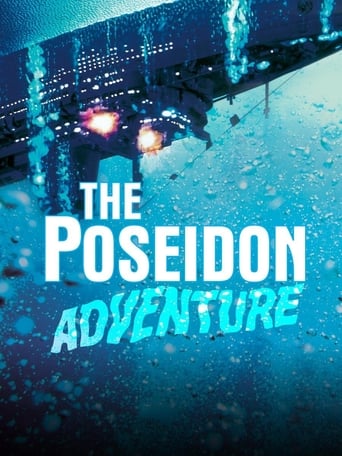
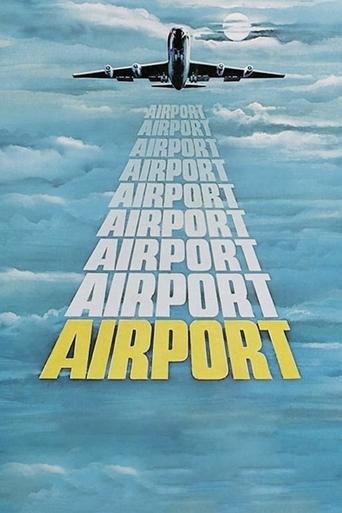
The form was born at the start of the 1970s. Airport, of 1970, by George Seaton, the oldest film of the shelf, gathers Burt Lancaster, Dean Martin, Jean Seberg and Helen Hayes, who won an Academy Award, on a snowbound airport and a plane carrying a passenger with a bomb. The producer Irwin Allen then made the form his own with The Poseidon Adventure, of 1972, by Ronald Neame, the best rated film of the shelf, with a 7.2: on New Year's Eve, a giant wave turns an ocean liner upside down, and a preacher played by Gene Hackman leads a handful of survivors, among them Ernest Borgnine, Red Buttons and Shelley Winters, up through the hull. Allen produced The Towering Inferno, of 1974, by John Guillermin, with a 7.0 and 165 minutes, in which Steve McQueen as a fire chief and Paul Newman as an architect fight a fire in the tallest building of San Francisco on the night of its opening, with William Holden, Faye Dunaway, Fred Astaire and Jennifer Jones. The same year, Earthquake, of 1974, by Mark Robson, shook Los Angeles with Charlton Heston and Ava Gardner, and shook its cinemas too with a sound system called Sensurround.
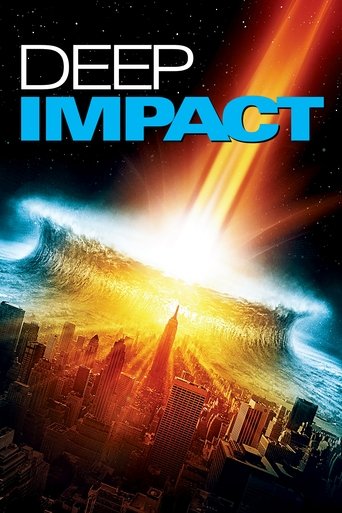
The form returned in the 1990s with the computer effects of a new age. Roland Emmerich has three films on the shelf: Independence Day, of 1996, with a 6.9, in which Will Smith, Jeff Goldblum and Bill Pullman, as the president, fight an alien invasion over the first days of July; The Day After Tomorrow, of 2004, with Dennis Quaid and Jake Gyllenhaal facing a sudden new ice age; and 2012, of 2009, the most voted film of the shelf, with about 13,100 votes, in which John Cusack and his family flee the end of the world toward a fleet of giant arks. The two comet films of 1998 came out the same year: Deep Impact, by Mimi Leder, with Robert Duvall, Téa Leoni, Elijah Wood and Morgan Freeman as the president, and Armageddon, by Michael Bay, with a 6.8, in which Bruce Willis leads a crew of oil drillers, with Ben Affleck, Billy Bob Thornton, Liv Tyler and Steve Buscemi, to blow up an asteroid from the inside.
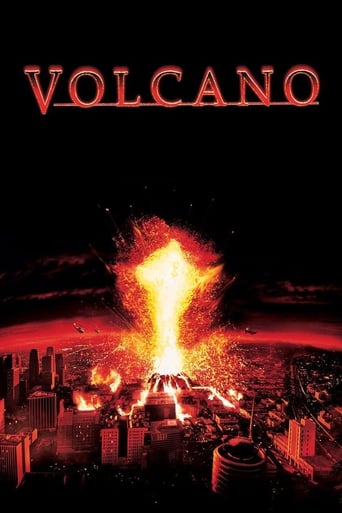
Nature takes over the rest of the shelf. Twister, of 1996, by Jan de Bont, with a 6.6, sends a team of storm chasers led by Helen Hunt and Bill Paxton, with Philip Seymour Hoffman among them, across Oklahoma; the two volcano films of 1997 erupted within three months of each other, Dante's Peak, by Roger Donaldson, with Pierce Brosnan and Linda Hamilton in a small town of the Cascades, and Volcano, by Mick Jackson, with Tommy Lee Jones, Anne Heche and Don Cheadle facing a river of lava in the middle of Los Angeles. Poseidon, of 2006, by Wolfgang Petersen, with Kurt Russell, Josh Lucas and Richard Dreyfuss, remakes the capsized liner of 1972 in 98 minutes, the shortest film of the shelf. The guide The disaster film counts the survivors.
Comedy ensembles
The shelf Comedy ensembles gathers thirteen films from 1963 to 2016 and carries about 75,000 votes, with an average rating of 7.02. Its films let a whole company of comedians loose at once, and several of them come from troupes that worked together on stage, on television or from film to film.
The most voted and the best rated film of the shelf is The Grand Budapest Hotel, of 2014, by Wes Anderson, with an 8.0 and about 16,600 votes: in an invented country of central Europe between the wars, the concierge Monsieur Gustave, played by Ralph Fiennes, and his young lobby boy are caught up in the theft of a painting and the death of a rich old guest, with F. Murray Abraham, Adrien Brody, Willem Dafoe, Jeff Goldblum, Jude Law, Bill Murray, Edward Norton, Saoirse Ronan, Léa Seydoux and Tilda Swinton. Monty Python and the Holy Grail, of 1975, with a 7.8, the second best rated, brings the six members of the British troupe, Graham Chapman, John Cleese, Terry Gilliam, Eric Idle, Terry Jones and Michael Palin, on a quest for the Grail with coconuts for horses.
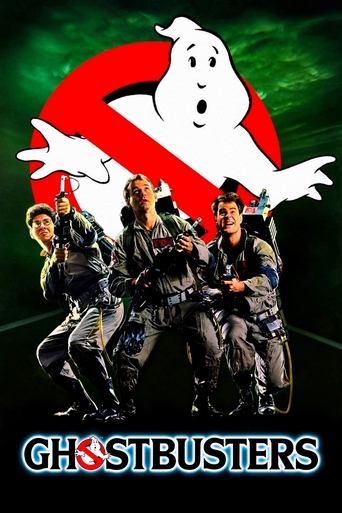
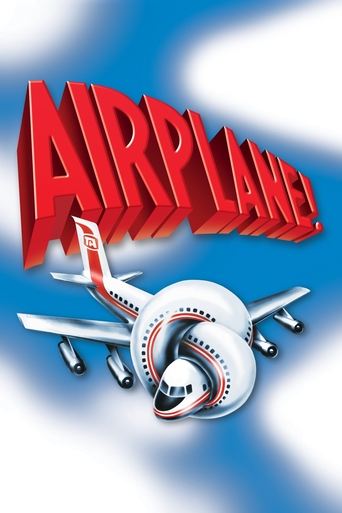
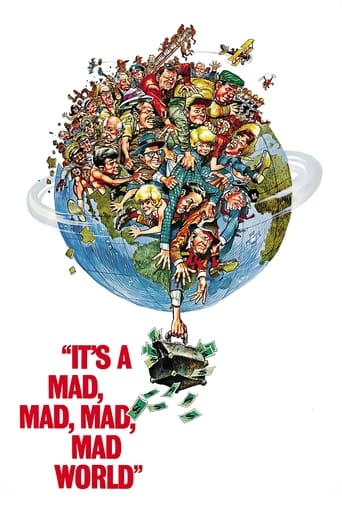
The oldest and the longest is It's a Mad, Mad, Mad, Mad World, of 1963, by Stanley Kramer, at 192 minutes: a dying man reveals that he buried $350,000 under a big W, and a crowd of strangers, played by Spencer Tracy, Milton Berle, Sid Caesar, Ethel Merman, Mickey Rooney, Buddy Hackett, Jonathan Winters and dozens of comedians in small parts, races across California to find it. The American comedies of the late 1970s and the 1980s came from the stages of Second City and from Saturday Night Live. Animal House, of 1978, by John Landis, with John Belushi, follows the Delta fraternity of a college of 1962 against its dean; Caddyshack, of 1980, by Harold Ramis, sets Chevy Chase, Rodney Dangerfield, Ted Knight and Bill Murray loose on a country club; and Ghostbusters, of 1984, by Ivan Reitman, with a 7.5, gathers Bill Murray, Dan Aykroyd, Harold Ramis and Ernie Hudson as four ghost hunters of New York, with Sigourney Weaver and Rick Moranis. Airplane!, of 1980, by Jim Abrahams and David and Jerry Zucker, the shortest film of the guide at 88 minutes, sends Robert Hays, Julie Hagerty, Leslie Nielsen and Lloyd Bridges aboard a flight where the whole crew falls ill.
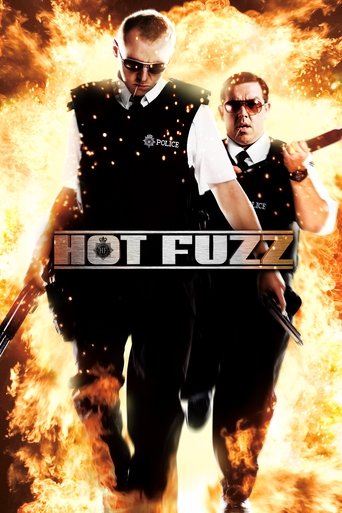
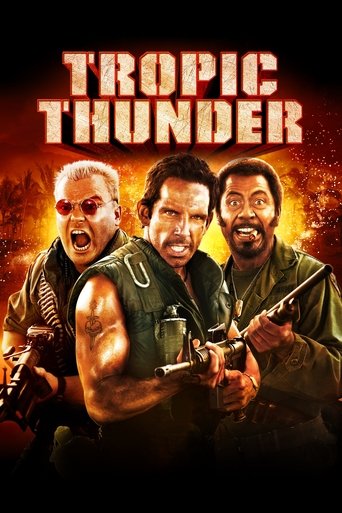
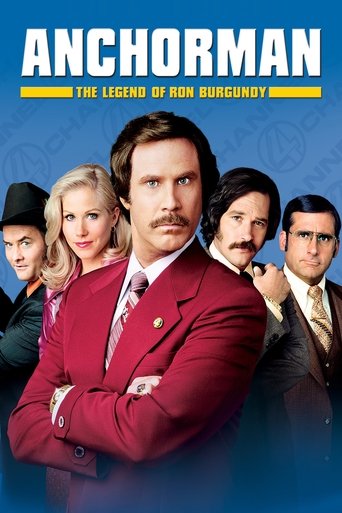
The newer troupes complete the shelf. Christopher Guest and his regular company, among them Eugene Levy, Catherine O'Hara, Parker Posey and Jennifer Coolidge, made Best in Show, of 2000, a mock documentary of the owners at a national dog show. Will Ferrell, Steve Carell, Paul Rudd and David Koechner are the news team of San Diego in Anchorman: The Legend of Ron Burgundy, of 2004, by Adam McKay. Simon Pegg and Nick Frost, with the director Edgar Wright, made Hot Fuzz, of 2007, with a 7.6, in which a London police officer is sent to a quiet village where the accidents pile up. Ben Stiller directed Tropic Thunder, of 2008, in which a group of actors shooting a war film in Southeast Asia find themselves in a real war, with Jack Black, Robert Downey Jr. and Tom Cruise; Seth Rogen and Evan Goldberg made This Is the End, of 2013, in which James Franco, Jonah Hill, Rogen and their friends play themselves at a party when the apocalypse begins; and Joel and Ethan Coen made Hail, Caesar!, of 2016, with Josh Brolin as a studio fixer of the 1950s who must find a star, played by George Clooney, kidnapped in the middle of a Roman epic. The guide The comedy troupe takes a bow.
The casts
In a guide of ensembles, the actors who return most often are the ones who move easily from star to supporting player. Counted on the cast lists of TMDB, the most frequent face of the guide is Don Cheadle, in ten films on four shelves: the explosives expert of the three Ocean's films, War Machine in Avengers: Age of Ultron, Captain America: Civil War, Avengers: Infinity War and Avengers: Endgame, a detective in Crash, an agent of the drug police in Traffic and a city official in Volcano. Brad Pitt follows with eight films, from the three Ocean's films and Snatch to Inglourious Basterds, Fury, Moneyball and Babel, and Robert Downey Jr. with seven, the four Avengers films, Civil War, Tropic Thunder and an early part in Short Cuts.
Six actors appear in six films each. George Clooney and Matt Damon share the three Ocean's films and Syriana, and Clooney adds The Thin Red Line and Hail, Caesar!, Damon Saving Private Ryan and Contagion; Elliott Gould, the casino veteran of the Ocean's crew, adds Ocean's Eight, Contagion and A Bridge Too Far; and Chris Evans, Scarlett Johansson and Anthony Mackie each appear in the Marvel films, with Knives Out for Evans, Hail, Caesar! for Johansson and two holiday films of 2015, The Night Before and Love the Coopers, for Mackie. Mark Ruffalo, Chris Hemsworth, Jeremy Renner, Julia Roberts, Halle Berry, Samuel L. Jackson, Ben Stiller, Josh Brolin, Benicio del Toro, Keith David and Kathryn Hahn each have five, and Hugh Grant, Gene Hackman, Daniel Craig, Bill Murray, Michael Caine and Kenneth Branagh are among those with four. The guide The casts lists them.
The directors
Steven Soderbergh is the director of the guide, with six films on two shelves: the three Ocean's films and Logan Lucky among the heists, and Traffic and Contagion among the crossing stories. Bryan Singer has four, The Usual Suspects and three X-Men films, and six directors have three each: Quentin Tarantino, with Reservoir Dogs, Pulp Fiction and Inglourious Basterds, on three different shelves; Rian Johnson, with the three Benoit Blanc mysteries; Kenneth Branagh, with his three Poirot films; Roland Emmerich, with three disasters; Alejandro G. Iñárritu, with three crossing stories; and Garry Marshall, with three holidays. Anthony and Joe Russo directed three Marvel films together. Robert Altman, Richard Linklater, Wes Anderson, Christopher Nolan, Zack Snyder, James Gunn, Joss Whedon, Oliver Stone, Guy Ritchie and John Guillermin are among the directors with two films each; Guillermin, for one, made both a disaster film and a Poirot in the 1970s. The guide The directors lists them.
The franchises
Many ensembles come in series, because a cast that works together once is worth gathering again. The Avengers saga gives the guide five films, counting Captain America: Civil War, and the Ocean's series four, with Ocean's Eight. The X-Men, the Knives Out mysteries and the Poirot films of Kenneth Branagh give three each, the Guardians of the Galaxy two, and the older Poirots of the 1970s two more. In all, 22 films of the guide, about one in seven, belong to these series. The guide The franchises sorts them.
World ensembles
Most of the films of the guide are in English, 147 of the 156, and 122 were first produced in the United States, fifteen in Britain and five each in Germany and France. The nine films in other languages come from seven of them: Japanese, with Tokyo Story and Shoplifters; Mandarin, with Yi Yi and The Wedding Banquet; and Danish, Swedish, Hindi, Spanish and French, with The Celebration, Fanny and Alexander, Monsoon Wedding, Amores Perros and 8 Women. Seven of the nine sit on the shelves of the second family, where the family and the wedding cross every border. The guide World ensembles lists them.
The ensembles through the decades
By decade, the guide holds one film of the 1950s, five of the 1960s, eleven of the 1970s, eighteen of the 1980s, 26 of the 1990s, 46 of the 2000s, 42 of the 2010s and seven of the 2020s. The 1960s are the decade of the all-star war epic and of the great comic chase; the 1970s belong to the disaster film and to the starry Poirots; the 1980s to the young casts of John Hughes, Francis Ford Coppola and Richard Donner; the 1990s to the crossing stories of Altman, Tarantino and Anderson; and the 2000s and 2010s to the heist series and the superhero teams, which carry the largest share of the votes of the guide.
WatchMoviesAll in figures
The 156 films of the guide carry about 1,012,000 votes on TMDB, with an average rating of 7.1. Fifteen of them reach 8, led by Pulp Fiction with an 8.5, Inception with an 8.4 and Dead Poets Society with an 8.3, and the collection Rated 7.5 or more gathers 48. Together the films last about 19,300 minutes, more than 322 hours, an average of 124 minutes a film; the longest is Zack Snyder's Justice League, with 242 minutes, and the shortest is Airplane!, with 88. The guide The figures gathers every number.
The look of WatchMoviesAll
The design follows the page of watchmoviesall.com as the Internet Archive kept it on 1 January 2016, with its style sheet of August 2015: a slate page, #3B4043, under a header that fades from dark grey to black and closes on a thick lime rule, #BEF243; white wells with a thin grey border for the content; green links, #73A301, that turn violet under the mouse; a Go To list in a well on the left; and posters in a two-pixel grey frame. Here the Go To list holds the twelve shelves, each with its family, its colour square and its count of films, and each shelf sits in its own white well, with its name on a tab like the Recent Movies and Top Rated tabs of the old home page. The guide The look of WatchMoviesAll explains each colour.
Where to begin
For a first evening, start with one film from each family: Ocean's Eleven for the crew, Love Actually for the gathering and Knives Out for the big cast. Then try the classics of each shelf: The Great Escape and Saving Private Ryan for the squads, Remember the Titans for the teams, Tokyo Story and Little Miss Sunshine for the families, The Breakfast Club for the class, Pulp Fiction and Magnolia for the crossing stories, The Poseidon Adventure for the disasters and Monty Python and the Holy Grail for the troupes. Anyone who likes a long evening can follow the Avengers from the first film to Endgame, and anyone who likes a short one can board Airplane!.
How to use WatchMoviesAll
The home page opens with the introduction, the Go To list in the left column and the shelves on the right. Each entry of the Go To list shows the family, the shelf and its number of films, and leads to its row; each row sits in a white well with twelve posters and a See all link that opens the full shelf. The menu in the header leads to the three families, and the search box finds any film by its title; the guide Search tips explains how. Each poster carries the tag of its shelf, from Heist to Comedy, and under it come the title, the first genre and the running time.
The film page has the English synopsis, the cast, the director and the genres. The Watch now button opens the film on JustWatch, which shows the services that offer it in your country, and the button Add to My List keeps it in My list, stored in your browser. The guide How to use WatchMoviesAll explains each part, and the guide The Watch now button explains how JustWatch works.
Questions
What is WatchMoviesAll
An English guide to 156 ensemble films, on twelve shelves in three families.
How were the films chosen
By hand from TMDB, among films whose story belongs to a group rather than to a single hero.
Which film has the most votes
Inception, of 2010, with about 40,500 votes.
Which film is the best rated
Pulp Fiction, of 1994, with an 8.5.
Which is the oldest film
Tokyo Story, of 1953, by Yasujirō Ozu.
Which is the newest film
Wake Up Dead Man: A Knives Out Mystery, of 2025.
Which is the longest film
Zack Snyder's Justice League, with 242 minutes.
Which actor appears most often
Don Cheadle, in ten films on four shelves.
Where can I watch the films
The Watch now button opens each film on JustWatch, which shows the services that offer it in your country.
Where is My list kept
In your browser, on the device where you create it.
